



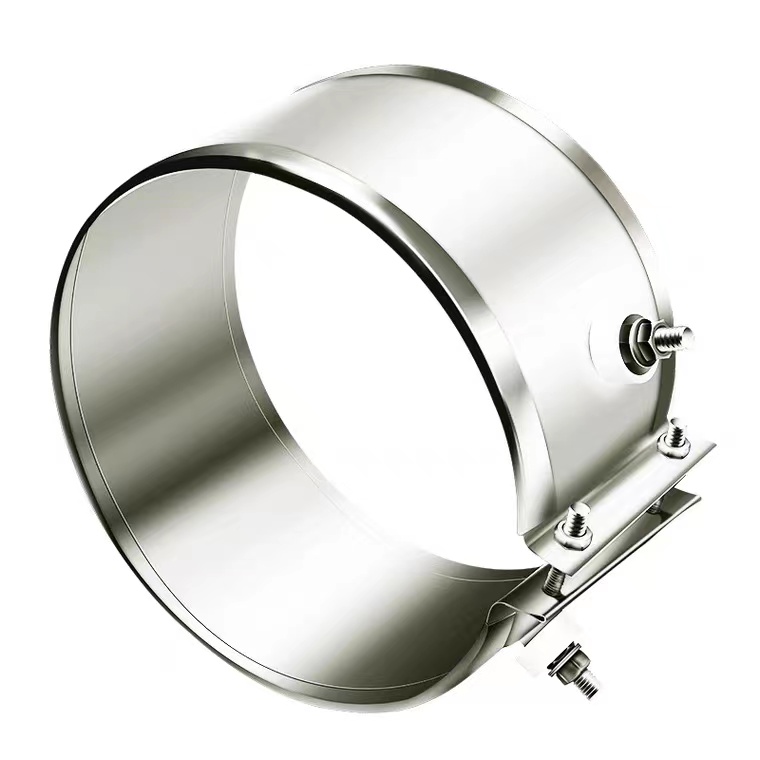
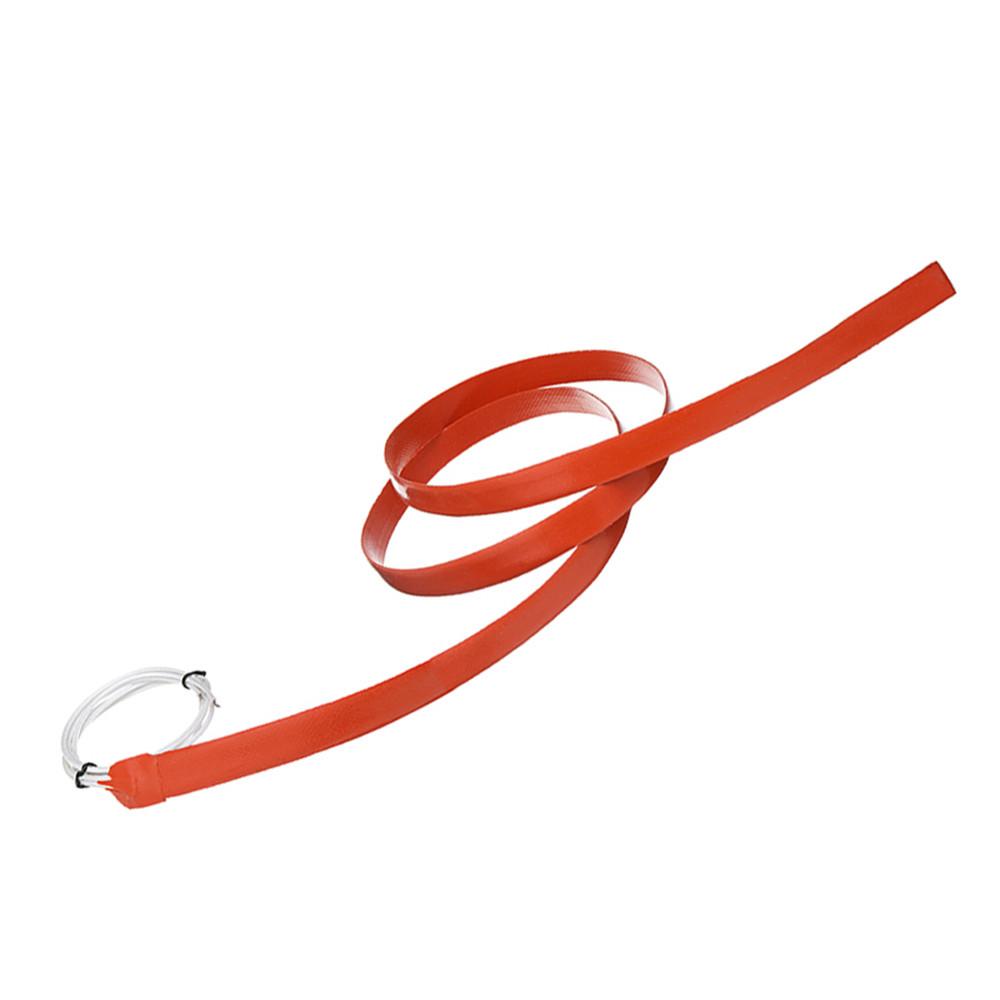
Description
1. What is a flexible heater?
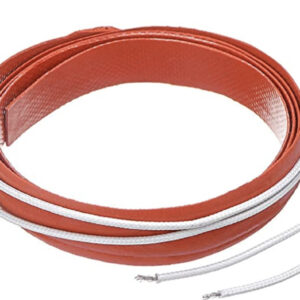
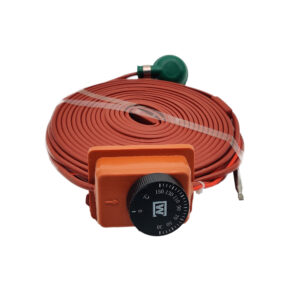
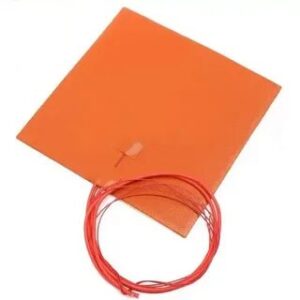
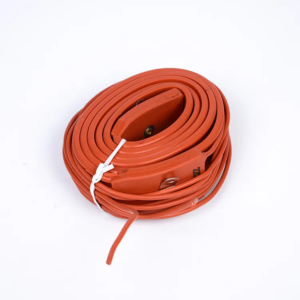
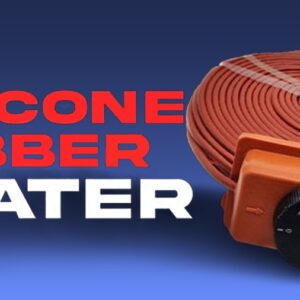
A flexible heater is a thin, bendable heating element designed to provide uniform heat on curved or irregular surfaces. It is commonly made from materials like silicone rubber, polyimide, or polyester.
2. Where are flexible heaters used?
Flexible heaters are widely used in industries such as medical equipment, aerospace, electronics, automotive, and food processing for heating, insulation, and temperature control.
3. What materials are used in flexible heaters?
Common materials include silicone rubber, polyimide (Kapton), polyester (Mylar), and etched foil elements, depending on the application requirements.
4. Can flexible heaters be customized?
Yes, flexible heaters can be fully customized in terms of size, shape, voltage, wattage, and temperature range to meet specific industrial or commercial needs.
5. What temperature range do flexible heaters support?
Flexible heaters can typically operate from low temperatures up to around 200°C or higher, depending on the material and design.
6. Are flexible heaters energy efficient?
Yes, they are highly energy-efficient as they provide direct and uniform heating with minimal heat loss.
7. How are flexible heaters installed?
They can be installed using adhesive backing, clamps, or mechanical fasteners, depending on the surface and application.
8. Are flexible heaters safe to use?
Flexible heaters are safe when used correctly and often include safety features like thermostats, temperature sensors, and thermal cut-offs.
9. What is the lifespan of a flexible heater?
The lifespan depends on usage conditions, but high-quality flexible heaters can last for many years with proper maintenance.
10. How do I choose the right flexible heater?
Consider factors such as operating temperature, environment, surface type, voltage, watt density, and application requirements. Consulting a manufacturer can help you select the best option.