

Cartridge Heater Manufacturer A Complete Guide to Choosing the Right Partner
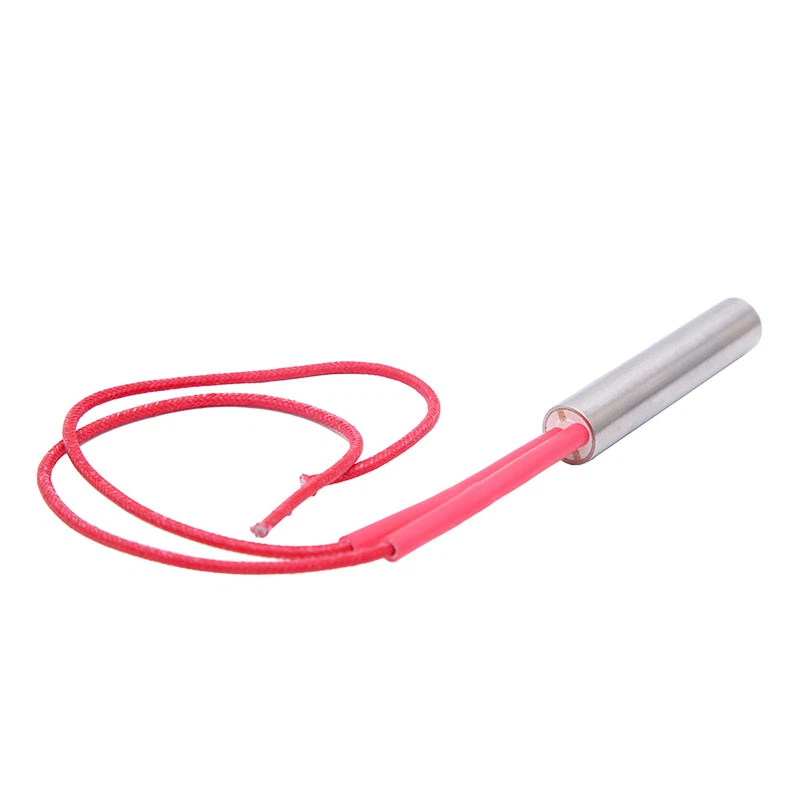
Let’s start simple. If your machine needs precise, reliable heat in a compact space, chances are it relies on a cartridge heater. These small but powerful heating elements are the unsung heroes inside molds, dies, packaging machines, and medical devices. Behind every dependable heater is a skilled cartridge heater manufacturer. And choosing the right one? That can mean the difference between smooth production and constant downtime. So, how do cartridge heaters really work, what should you expect from a manufacturer, and how do you choose the right partner? Let’s break it all down. What Does a Cartridge Heater Manufacturer Do? A cartridge heater manufacturer doesn’t just make metal tubes with wires inside. They design, engineer, test, and customize heating solutions for very specific industrial needs. From selecting the right sheath material to calculating watt density and insulation, manufacturers ensure each heater delivers: Accurate temperature control Long service life Safe electrical performance Consistent heating In other words, they don’t sell products. They deliver reliability. Why Cartridge Heaters Matter in Modern Industry Imagine an injection molding machine that can’t maintain stable temperature. Or a sealing machine that overheats and damages packaging. Sounds expensive, right? Cartridge heaters provide: Fast heat-up times Uniform heat distribution Compact installation Precise temperature control That’s why industries trust them in high-performance and high-precision applications. How Cartridge Heaters Work At their core, cartridge heaters convert electrical energy into heat through resistance wire. Here’s the simple process: Electricity flows through resistance wire The wire heats up due to electrical resistance Heat transfers through insulation The metal sheath delivers heat to the application It’s simple physics, perfected by smart engineering. Core Components of a Cartridge Heater A high-quality cartridge heater typically includes: Resistance wire for heat generation Magnesium oxide insulation for electrical safety and thermal transfer Metal sheath for protection and heat delivery Lead wires or terminals for electrical connection Each component plays a critical role in performance and lifespan. Types of Cartridge Heaters Not all cartridge heaters are created equal. Manufacturers usually offer: Low-density cartridge heaters Medium-density cartridge heaters High-density cartridge heaters Swaged cartridge heaters Square or rectangular heaters for special slots Choosing the right type depends on temperature, space, and watt density. How to Choose the Right Cartridge Heater Manufacturer Now we’re getting to the important part. Not all manufacturers offer the same quality or service. Quality Standards and Certifications Always check for: ISO certifications Compliance with international electrical standards Documented quality systems Certifications show discipline. And discipline shows reliability. Customization Capabilities Standard heaters don’t always fit. A good manufacturer should offer: Custom diameters and lengths Special voltages and watt densities Unique lead configurations If they can’t customize, they can’t optimize. Engineering Support and Design Services Great manufacturers don’t just take orders. They ask questions. They help you select: Proper watt density Correct sheath material Right insulation for your environment That engineering support saves you from expensive mistakes. Production Capacity and Lead Times Ask yourself: Can they handle large volumes? Can they deliver on time? Do they keep stock for urgent needs? Delays in heaters often mean delays in production. Materials and Technology Used in Cartridge Heaters Materials matter more than most people realize. Sheath Materials Explained Common sheath materials include: Stainless steel Incoloy Copper Each material handles heat, corrosion, and pressure differently. Resistance Wire and Insulation High-quality resistance wire ensures: Stable heating Long life Minimal drift over time Magnesium oxide insulation provides both electrical safety and excellent thermal transfer. Advanced Manufacturing Techniques Modern manufacturers use: Precision swaging Automated winding Computer-controlled testing Technology improves consistency and reduces defects. Customization Options Offered by Manufacturers Customization is where great manufacturers shine. Voltage and Watt Density Options You can choose: Low watt density for long life High watt density for fast heating Special voltages for unique systems This flexibility improves both performance and durability. Diameter and Length Variations Manufacturers can produce heaters: From very thin to thick diameters Short or extra-long lengths Straight or bent designs This allows perfect fitting into any application. Lead Wire and Termination Styles Options include: Fiberglass leads Stainless steel braid Screw terminals Ceramic caps Each option suits a different environment. Quality Control and Testing Processes This is where good manufacturers separate themselves from average ones. Electrical Testing Before shipment, heaters are tested for: Insulation resistance Continuity Voltage integrity This prevents dangerous electrical failures. Thermal Performance Testing Manufacturers check: Heat output accuracy Uniform temperature distribution Stability under load Heat that drifts is heat you can’t trust. Long-Term Reliability Checks Some manufacturers perform: Life cycle testing High-temperature endurance tests Vibration testing Because real-world conditions are harsh. Global vs Local Cartridge Heater Manufacturers Should you buy local or global? There’s no single right answer. Advantages of Local Manufacturing Local suppliers offer: Faster delivery Easier communication Better after-sales support They’re often ideal for urgent or customized orders. Benefits of Global Suppliers Global manufacturers may provide: Lower costs Large-scale production Wide product catalogs They’re useful for high-volume standard heaters. Cost Factors in Cartridge Heater Manufacturing Why do prices vary so much? Material Costs Premium materials increase: Durability Temperature limits Corrosion resistance Cheap materials reduce life expectancy. Design Complexity Custom designs require: Engineering time Special tooling Extra testing That adds to cost, but also to performance. Order Volume Impact Large orders often mean: Lower unit prices Better delivery priority Long-term supply agreements Volume matters in pricing. Future Trends in Cartridge Heater Manufacturing The industry isn’t standing still. Energy-Efficient Designs Manufacturers are developing: Lower power loss designs Better insulation Optimized watt density Efficiency saves energy and money. Smart Heating Solutions Some heaters now include: Built-in sensors Smart temperature monitoring Predictive maintenance features Welcome to the era of intelligent heating. Sustainable Manufacturing Eco-friendly practices include: Reduced waste Recyclable materials Energy-efficient production Sustainability is becoming a competitive advantage. Conclusion Choosing the right cartridge heater manufacturer isn’t just a purchasing decision. It’s a strategic one. The right partner delivers: Reliable performance Custom-engineered solutions Long product life Strong technical support In a world where downtime costs money, quality heating is an investment, not an expense. Choose wisely,