

Cartridge Heaters with Thermocouples: A Comprehensive Buying Guide
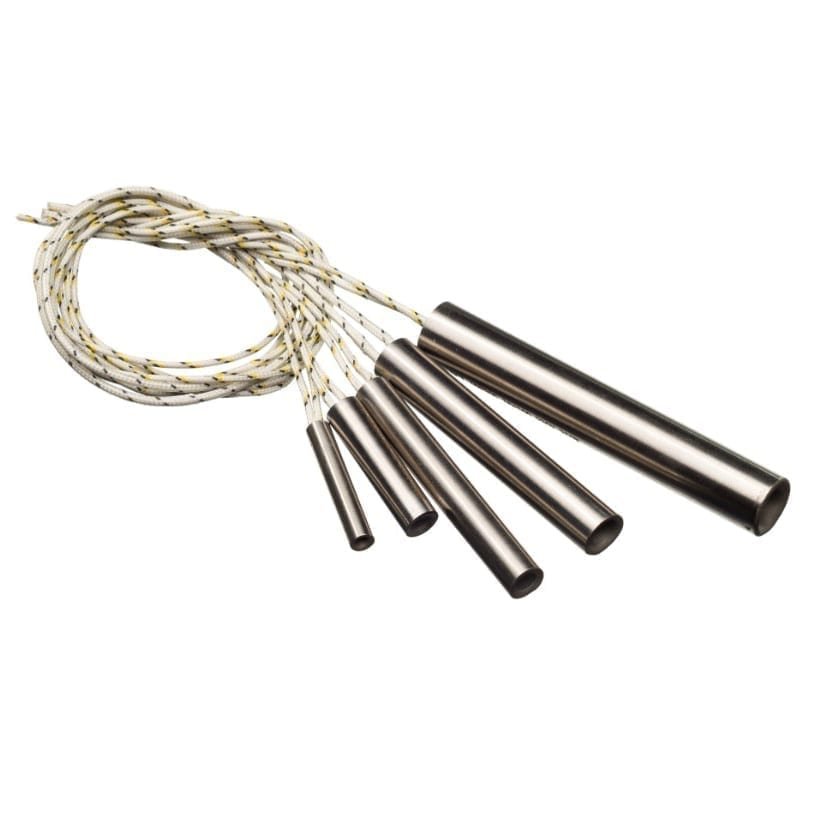
Cartridge heater with thermocouple is a crucial component in many industrial and commercial applications. Selecting the right one can be daunting due to the various options available. This guide will equip you with essential knowledge to make an informed decision. Understanding Cartridge Heaters with Thermocouples A cartridge heater is a cylindrical heating element inserted into a drilled hole to provide localized heat. Integrating a thermocouple into the heater offers precise temperature control. Key Components: Sheath: The outer protective layer, often made of stainless steel, protects the heating element. Heating Element: Converts electrical energy into heat. Magnesium Oxide: Insulating material between the heating element and sheath. Thermocouple: Measures the heater’s temperature and sends signals to a controller. Factors to Consider When Buying Several factors influence the choice of a cartridge heater with a thermocouple: Wattage: Determines the heater’s power output. Higher wattage for faster heating, lower for delicate applications. Voltage: Matches the available power supply. Common options include 110V, 220V, and 240V. Diameter and Length: Ensure the heater fits the target application’s hole size. Thermocouple Type: Choose between J, K, or other types based on temperature range and accuracy needs. Sheath Material: Select based on the environment, considering factors like corrosion resistance and temperature limits. Lead Wire Length: Ensure sufficient length for connection to the controller. Mounting Style: Consider options like straight, angled, or flanged based on installation requirements. Applications of Cartridge Heaters with Thermocouples Cartridge heaters with thermocouples find applications in various industries: Plastics: Mold heating, extrusion processes, and hot plate applications. Packaging: Sealing and cutting processes. Food Processing: Cooking, heating liquids, and sterilization. Medical Equipment: Sterilization, temperature control, and warming devices. Automotive: Engine block heating, component drying, and paint curing. Benefits of Using Cartridge Heaters with Thermocouples Precise Temperature Control: The thermocouple ensures accurate temperature maintenance. Efficiency: Targeted heating minimizes energy consumption. Versatility: Suitable for various applications and industries. Durability: Built to withstand harsh environments. Safety: Integrated thermocouple enhances safety by preventing overheating. Installation and Maintenance Tips Proper installation and maintenance are crucial for optimal performance and longevity. Clean Installation Area: Remove debris to prevent damage to the heater. Secure Mounting: Use appropriate clamps or holders to prevent movement. Thermal Conductivity: Ensure good thermal contact between the heater and the heated material. Regular Inspection: Check for signs of wear, damage, or contamination. Calibration: Periodically calibrate the thermocouple for accuracy. Choosing the Right Supplier Selecting a reputable supplier is essential for obtaining high-quality cartridge heaters. Consider the following: Experience and Expertise: Choose a supplier with a strong track record in the industry. Product Range: Ensure the supplier offers a variety of options to meet your needs. Customization Capabilities: Look for suppliers that can provide custom solutions. Customer Support: Reliable after-sales support is crucial. Last Word By carefully considering these factors and following best practices, you can select the ideal cartridge heater with thermocouple for your application and optimize your system’s performance.
How to Choose the Right Cartridge Heater Manufacturer
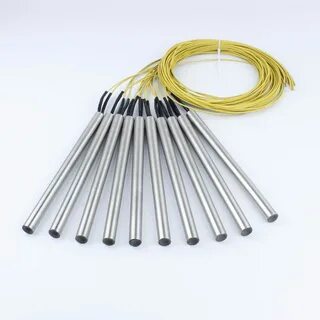
Selecting the right Cartridge heater manufacturer is crucial for ensuring optimal performance and longevity in your industrial processes. With countless options available, making an informed decision can be overwhelming. This guide will walk you through key factors to consider when choosing a cartridge heater manufacturer, empowering you to make a confident choice. Understanding Your Specific Needs Before diving into manufacturer selection, clearly define your cartridge heater requirements. Application: Identify the specific application where the heater will be used. Different applications demand different heater specifications. Temperature Range: Determine the desired operating temperature range. This will influence the choice of materials and heater design. Wattage: Calculate the required wattage based on the heat output needed for your application. Dimensions: Measure the available space for the heater, including diameter and length. Environment: Consider the operating environment, such as exposure to moisture, chemicals, or extreme temperatures. Evaluating Cartridge Heater Manufacturers Once you have a clear understanding of your needs, it’s time to evaluate potential manufacturers. Experience and Expertise: Look for manufacturers with a proven track record in the industry. Experience translates to quality products and reliable service. Product Range: Ensure the manufacturer offers a wide range of cartridge heaters to accommodate various applications and requirements. Customization Capabilities: Flexibility to customize heaters based on specific needs is a valuable asset. Quality Control: Investigate the manufacturer’s quality control measures, including certifications and testing procedures. Material Selection: Assess the manufacturer’s knowledge of different materials and their suitability for various applications. Manufacturing Process: Understand the manufacturing process to ensure consistency and reliability. Lead Times: Consider the manufacturer’s lead times to meet your production schedule. Customer Support: Evaluate the manufacturer’s responsiveness and willingness to assist with technical inquiries and troubleshooting. Requesting Samples and Testing To make an informed decision, request samples of cartridge heaters from potential manufacturers. Performance Testing: Conduct thorough tests under your specific operating conditions. Compatibility Check: Verify compatibility with your equipment and processes. Longevity Evaluation: Assess the heater’s durability and lifespan. Compare Performance: Compare the performance of different samples to identify the best option. Considering Cost and Value While cost is a factor, it’s essential to balance it with quality and long-term performance. Total Cost of Ownership: Consider factors beyond the initial purchase price, such as energy efficiency, maintenance costs, and heater lifespan. Value Proposition: Evaluate the overall value offered by the manufacturer, including product quality, customer support, and warranty. Cost-Benefit Analysis: Compare the cost of different options against the expected benefits. Building a Strong Partnership The relationship with your cartridge heater manufacturer is crucial for long-term success. Communication: Maintain open and clear communication with the manufacturer. Collaboration: Work together to find solutions to challenges and optimize heater performance. Trust and Reliability: Choose a manufacturer you can trust to deliver consistent quality and meet your needs. Wrap Up By following these guidelines and conducting thorough research, you can confidently select the right cartridge heater manufacturer to meet your specific requirements and drive your business success.
3 Reasons Why a Mica Band Heater Boosts Efficiency in Your Projects
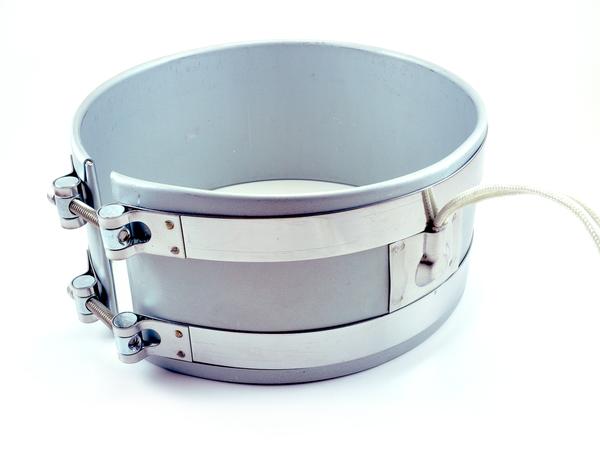
Imagine needing to heat a pipe for a specific task. You could use a bulky heating element that wastes energy and heats the surrounding air. But what if there was a better way? Enter the mica band heater: a thin, flexible heating solution that delivers targeted heat precisely where you need it, boosting efficiency in various applications. This blog post explores 3 key reasons why a mica band heater can significantly improve the efficiency of your heating projects: Excellent Heat Transfer for Focused Heating: Efficient Conductor: Mica band heaters use mica, a naturally occurring mineral with exceptional thermal conductivity. This means the heat generated by the internal resistance wire travels quickly and efficiently to the outer surface of the heater. Targeted Heating: Unlike bulky heating elements that radiate heat in all directions, mica band heaters conform to the shape of the object being heated. This minimizes wasted heat loss and ensures the desired temperature is reached quickly and precisely. Here’s a table summarizing the benefits of an excellent heat transfer in mica band heater: Superior Insulation for Minimized Heat Loss: Mica’s Insulating Properties: The mica layer in a mica band heater acts as a natural insulator. This traps heat within the element, preventing it from escaping to the surrounding environment. Reduced Ambient Heating: By minimizing heat loss, mica band heaters reduce the overall temperature in your workspace. This creates a more comfortable working environment and can even help lower your air conditioning costs. Here’s a table summarizing the benefits of a superior insulation in mica band heater: Durable Design for Long-Lasting Performance: Mica’s Strength and Stability: Mica is a naturally robust material that can withstand high temperatures and harsh environments. This translates to a longer lifespan for your mica band heater, reducing the need for frequent replacements. Flexible Construction: The mica band heater’s flexible design allows it to conform to various shapes and sizes. This versatility makes it suitable for a wider range of applications compared to rigid heating elements. Choosing the Right Mica Band Heater for Your Needs: With so many benefits, it’s easy to see why mica band heaters are a popular choice for various industrial and commercial heating applications. When selecting a mica band heater, consider these factors: Wattage: Choose a heater with enough wattage to reach and maintain the desired temperature for your specific application. Size: Ensure the heater size fits the circumference of the object you’re heating. Voltage: Select a heater compatible with your electrical system’s voltage. Terminations: Choose the appropriate terminal type (screw terminals, lead wires, etc.) for easy installation. Wrap Up Mica band heaters offer a powerful combination of targeted heating, excellent insulation, and a durable design. These key features translate to significant efficiency gains in various applications. If you’re looking for a precise and energy-saving heating solution, consider incorporating mica band heaters into your next project!
5 Ways Self-Regulating Heating Cables Can Improve Process Control
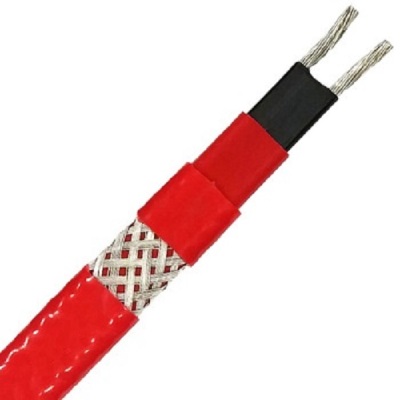
Keeping your pipes from freezing in winter is just the tip of the iceberg! A self-regulating heating cable offers a hidden superpower in process control. These innovative cables automatically adjust their heat output based on the surrounding temperature, ensuring consistent and efficient heating for various industrial applications. This guide explores 5 ways a quality self-regulating heating cable can significantly improve industrial process control: Precise Temperature Maintenance: Maintaining a specific temperature is crucial for many industrial processes. Traditional heating methods often struggle with maintaining consistent heat, leading to fluctuations that can impact product quality. Self-regulating heating cables solve this problem: Automatic Temperature Regulation: The cable automatically adjusts its heat output based on the surrounding temperature. As the temperature rises, the cable reduces heat output, and vice versa. This ensures a consistent and precise heating environment, crucial for processes like: Chemical reactions: Maintaining a specific temperature is essential for many chemical reactions to occur correctly. Self-regulating cables ensure consistent heat, leading to predictable and reliable outcomes. Food and beverage production: Certain food and beverage products require specific temperatures during processing. Self-regulating cables help maintain these temperatures, ensuring product quality and safety. Adhesive curing: Many adhesives require a specific temperature range to cure properly. Self-regulating cables provide the consistent heat needed for optimal adhesive curing. Energy Efficiency: Traditional heating methods often waste energy by constantly pumping out heat, even when it’s not needed. Self-regulating cables offer a more efficient solution: Heat Only When Needed: The cable only generates heat when the surrounding temperature falls below the desired level. This eliminates unnecessary energy consumption and reduces your overall operating costs. Easy Installation and Maintenance: Traditional heating systems can be complex to install and maintain. Self-regulating heating cables offer a simpler solution: Flexible and Easy to Install: The cables are self-contained and easy to install on pipes, tanks, or vessels. They can be cut to length on-site, minimizing waste and simplifying installation. Low Maintenance: Self-regulating cables require minimal maintenance. They have no thermostats or other controls to worry about, reducing ongoing maintenance costs. Freeze Protection for Critical Applications: Protecting pipes and equipment from freezing is essential in cold environments. Self-regulating heating cables offer reliable freeze protection: Automatic Freeze Protection: The cable automatically increases heat output as the temperature drops, preventing pipes and equipment from freezing and potential damage. This is crucial for applications like: Water and wastewater treatment plants: Frozen pipes can disrupt critical operations in these facilities. Self-regulating cables ensure uninterrupted operation during cold weather. Fire sprinkler systems: Frozen sprinkler pipes can render a fire protection system useless. Self-regulating cables ensure these systems are always operational, even in freezing temperatures. Enhanced Safety: Traditional heating methods can pose safety risks, such as overheating or electrical hazards. Self-regulating heating cables offer a safer alternative: Self-Limiting Design: The cable automatically limits its heat output, preventing overheating and potential fire hazards. This makes them ideal for use in sensitive environments with flammable materials. Final Words Self-regulating heating cables are a versatile tool for improving process control in various industrial applications. They offer precise temperature maintenance, energy efficiency, easy installation, reliable freeze protection, and enhanced safety.By considering the benefits and choosing the right cable for your specific needs, you can improve your process control, ensure product quality, and save energy in your industrial setting.
Top 5 Innovations in Cartridge Heater Manufacturing
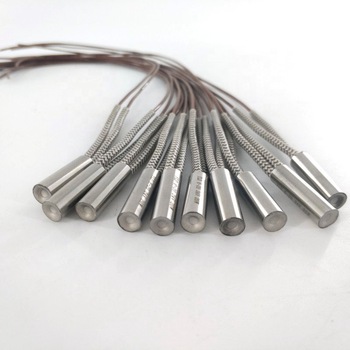
Every cartridge heater manufacturer is in a race to constantly push the boundaries of design and technology. These small but mighty heating elements play a vital role in various industries, from manufacturing and packaging to food processing and 3D printing. As technology advances, so too do the capabilities of cartridge heaters. Here, we explore 5 exciting innovations that are shaping the future of cartridge heater manufacturing: High-Density Cartridge Heaters: Traditional cartridge heaters use coiled resistance wire to generate heat. However, these coils can limit the power output due to space constraints. High-density cartridge heaters address this issue by using compacted insulating materials and specialized winding techniques. This allows for more heating wire to be packed into a smaller cartridge, resulting in: Increased Wattage: High-density heaters can deliver significantly more power compared to traditional models, making them ideal for applications requiring high heat output. Faster Heating Times: With more power comes faster heating times, which translates to improved efficiency and productivity in various industrial processes. Compact Design: Despite their increased power, high-density heaters maintain a compact size, allowing for easy integration into existing equipment designs. Advanced Material Science: Cartridge heater manufacturers are constantly exploring new and improved materials for both heating elements and insulation. These advancements offer several benefits: Higher Operating Temperatures: New materials like advanced alloys and ceramic oxides can withstand much higher temperatures than traditional materials. This opens doors for applications in demanding environments like metalworking and glass manufacturing. Improved Durability: Advanced materials are often more resistant to corrosion, oxidation, and thermal shock. This translates to longer heater lifespan and reduced maintenance costs. Enhanced Efficiency: New insulating materials can minimize heat loss, leading to more efficient operation and lower energy consumption. Integrated Sensors and Controls: Cartridge heater manufacturers are incorporating sophisticated sensors and control systems into their products. These intelligent heaters offer several advantages: Precise Temperature Control: Integrated sensors provide real-time feedback on temperature, allowing for precise control and maintaining consistent heating throughout the process. Improved Safety: Built-in safety features like over-temperature shutoff can prevent overheating and potential equipment damage. Data Logging and Analysis: Some advanced heaters can record temperature data, allowing for process optimization and predictive maintenance. Additive Manufacturing (3D Printing) for Cartridge Heaters: The rise of 3D printing technology is impacting various industries, including cartridge heater manufacturing. This innovative approach offers several unique benefits: Complex Geometries: 3D printing allows for the creation of intricate heater shapes and designs that are difficult or impossible to achieve with traditional manufacturing methods. Customization: Heaters can be tailored to specific application needs, providing a perfect fit for unique equipment designs. Reduced Lead Times: 3D printing can significantly shorten production times compared to traditional methods, leading to faster delivery for customers. Internet of Things (IoT) Integration: The Internet of Things (IoT) connects devices and machines to a network, allowing for remote monitoring and control. This trend is also impacting the cartridge heater industry: Remote Monitoring: Heater performance and temperature data can be accessed remotely, enabling real-time monitoring and troubleshooting from anywhere. Predictive Maintenance: By analyzing data, potential issues can be identified before they occur, allowing for proactive maintenance and preventing downtime. Improved Efficiency: IoT-enabled heaters can be integrated into automated control systems, optimizing energy consumption and overall process efficiency. Last Word These innovations are just the beginning. As technology continues to evolve, we can expect to see even more exciting developments in cartridge heater manufacturing. Cartridge heater manufacturers are constantly striving to create even more powerful, efficient, and intelligent heaters that can meet the ever-growing demands of various industries. With a focus on advanced materials, innovative designs, and smart features, the future of cartridge heaters looks bright!
3 Reasons Why a Mica Band Heater Boosts Efficiency in Your Projects
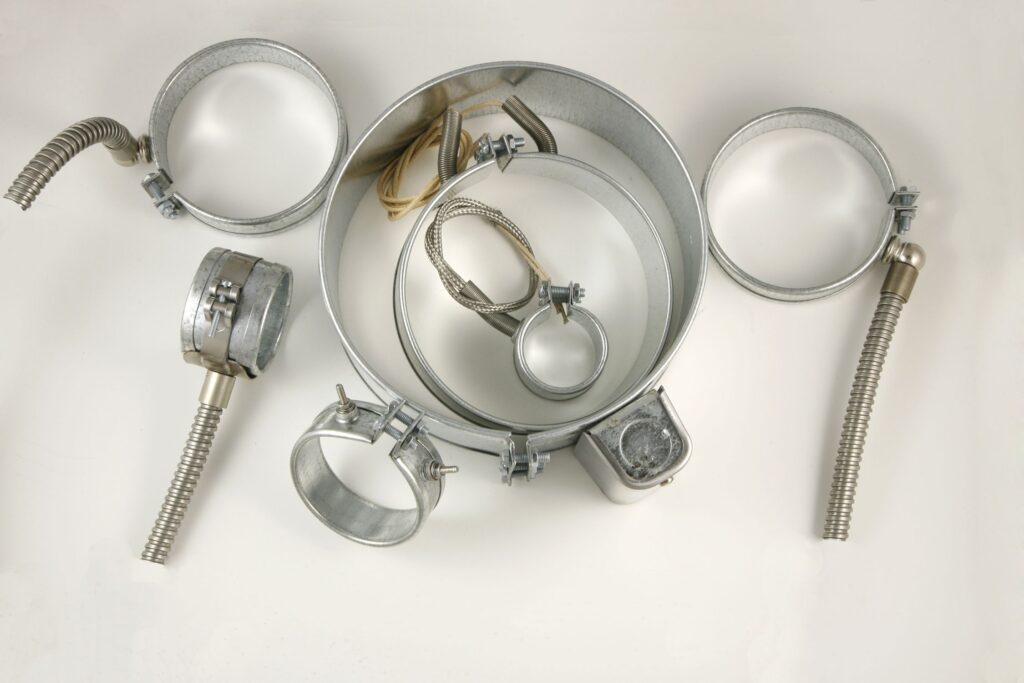
Imagine needing to heat a pipe for a specific task. You could use a bulky heating element that wastes energy and heats the surrounding air. But what if there was a better way? Enter the mica band heater: a thin, flexible heating solution that delivers targeted heat precisely where you need it, boosting efficiency in various applications. This blog post explores 3 key reasons why a mica band heater can significantly improve the efficiency of your heating projects: Excellent Heat Transfer for Focused Heating: Efficient Conductor: Mica band heaters use mica, a naturally occurring mineral with exceptional thermal conductivity. This means the heat generated by the internal resistance wire travels quickly and efficiently to the outer surface of the heater. Targeted Heating: Unlike bulky heating elements that radiate heat in all directions, mica band heaters conform to the shape of the object being heated. This minimizes wasted heat loss and ensures the desired temperature is reached quickly and precisely. Here’s a table summarizing the benefits of an excellent heat transfer in mica band heater: Superior Insulation for Minimized Heat Loss: Mica’s Insulating Properties: The mica layer in a mica band heater acts as a natural insulator. This traps heat within the element, preventing it from escaping to the surrounding environment. Reduced Ambient Heating: By minimizing heat loss, mica band heaters reduce the overall temperature in your workspace. This creates a more comfortable working environment and can even help lower your air conditioning costs. Here’s a table summarizing the benefits of a superior insulation in mica band heater: Durable Design for Long-Lasting Performance: Mica’s Strength and Stability: Mica is a naturally robust material that can withstand high temperatures and harsh environments. This translates to a longer lifespan for your mica band heater, reducing the need for frequent replacements. Flexible Construction: The mica band heater’s flexible design allows it to conform to various shapes and sizes. This versatility makes it suitable for a wider range of applications compared to rigid heating elements. Choosing the Right Mica Band Heater for Your Needs: With so many benefits, it’s easy to see why mica band heaters are a popular choice for various industrial and commercial heating applications. When selecting a mica band heater, consider these factors: Wattage: Choose a heater with enough wattage to reach and maintain the desired temperature for your specific application. Size: Ensure the heater size fits the circumference of the object you’re heating. Voltage: Select a heater compatible with your electrical system’s voltage. Terminations: Choose the appropriate terminal type (screw terminals, lead wires, etc.) for easy installation. Wrap Up Mica band heaters offer a powerful combination of targeted heating, excellent insulation, and a durable design. These key features translate to significant efficiency gains in various applications. If you’re looking for a precise and energy-saving heating solution, consider incorporating mica band heaters into your next project!
5 Key Traits of a Top Thermocouple Manufacturer
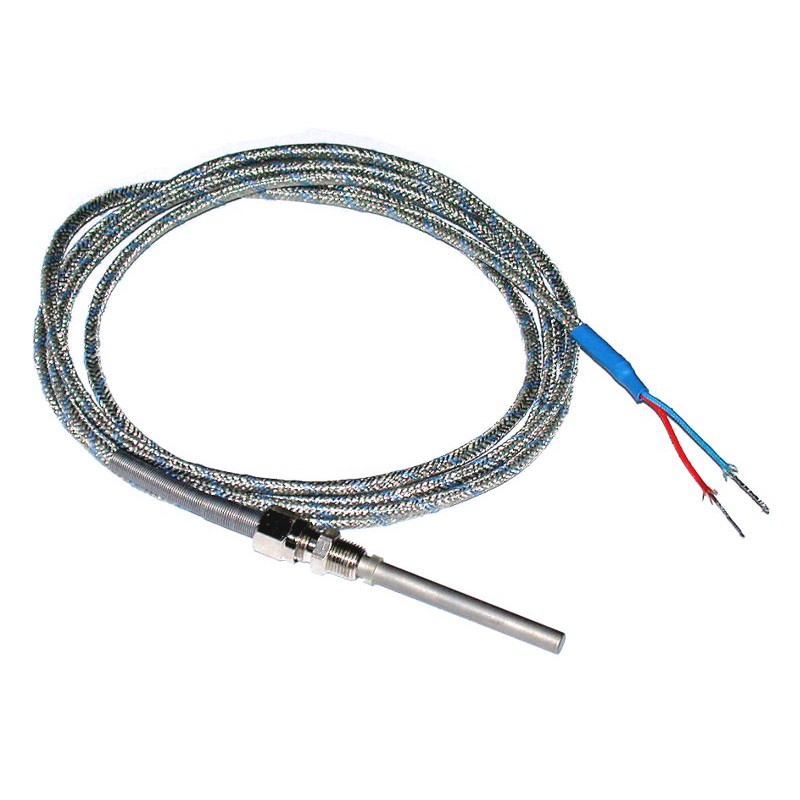
In the world of industrial processes, accurate temperature measurement is king. A thermocouple manufacturer plays a crucial role in crafting these essential sensors that help industries like manufacturing, energy production, and even cooking maintain precise temperature control. But with so many companies offering thermocouples, how do you choose the right one? This article explores the 5 key traits that distinguish a top thermocouple manufacturer from the rest: Wide Range of Thermocouple Types and Materials: Thermocouples come in various types, each suited for specific temperature ranges and environments. A top manufacturer offers a diverse selection, including: Type K Thermocouples: These general-purpose thermocouples are ideal for measuring temperatures between -268°C (-450°F) and 1370°C (2498°F). They are known for their affordability and wide operating range. Type J Thermocouples: These iron-constantan thermocouples are commonly used for measuring temperatures between -210°C (-346°F) and 1200°C (2192°F). They offer good stability and oxidation resistance. Type T Thermocouples: Made from copper and constantan, Type T thermocouples are suitable for measuring low-temperature applications ranging from -268°C (-450°F) to 350°C (662°F). They are known for their high accuracy at lower temperatures. Type N Thermocouples: These nickel-chromium thermocouples excel in high-temperature applications, measuring temperatures between -268°C (-450°F) and 1300°C (2372°F). They offer excellent oxidation resistance and long service life at high temperatures. Commitment to Quality and Accuracy: Accuracy is paramount in temperature measurement. A top thermocouple manufacturer prioritizes quality control, ensuring their products meet strict industry standards. Look for manufacturers with certifications like ISO 9001, which demonstrates their commitment to quality management systems. Here are some additional quality indicators: Calibration Services: Top manufacturers offer in-house or third-party calibration services to ensure your thermocouples maintain their accuracy over time. Traceable Certificates: Reputable manufacturers provide traceable certificates with each thermocouple, documenting its calibration history and ensuring its reliability. Use of High-Quality Materials: Top manufacturers use premium materials for both the thermocouple wire and the sheath, guaranteeing durability and long-lasting performance. Customization Capabilities: Industrial processes often demand unique temperature measurement solutions. A top thermocouple manufacturer offers customization options to cater to specific needs. This might include: Custom Probe Lengths and Diameters: Standard thermocouples may not fit all applications. Top manufacturers can create probes with lengths and diameters tailored to your specific needs. Special Sheath Materials: For harsh environments with extreme temperatures or corrosive chemicals, a top manufacturer can offer thermocouples with specialized sheath materials for enhanced durability. Integrated Connectors and Terminations: Top manufacturers can provide thermocouples pre-assembled with connectors and terminations that match your existing equipment, simplifying installation. Excellent Customer Service and Support: When it comes to industrial equipment, reliable customer service is essential. A top thermocouple manufacturer offers exceptional support throughout the buying process and beyond. Here’s what to look for: Knowledgeable Sales Representatives: A top manufacturer provides knowledgeable sales representatives who can understand your specific needs and recommend the most suitable thermocouple solution. Technical Support: Look for a manufacturer with a dedicated technical support team to answer your questions and troubleshoot any issues that may arise. Fast Response Times: Prompt communication and response times are crucial for addressing any concerns or technical difficulties you may encounter. Competitive Pricing and Value: While cost is a factor, it shouldn’t be the sole deciding point. A top thermocouple manufacturer strikes a balance between competitive pricing and exceptional value. Consider factors like: Total Cost of Ownership: Look beyond the initial purchase price and consider the long-term costs. A high-quality thermocouple from a reputable manufacturer may cost slightly more upfront but will likely last longer and require less frequent replacement, saving you money in the long run. Warranty and Guarantees: A top manufacturer offers a comprehensive warranty on their products, demonstrating their confidence in their quality and performance.
6 Installation Tips for Warm Floor Heating Cables
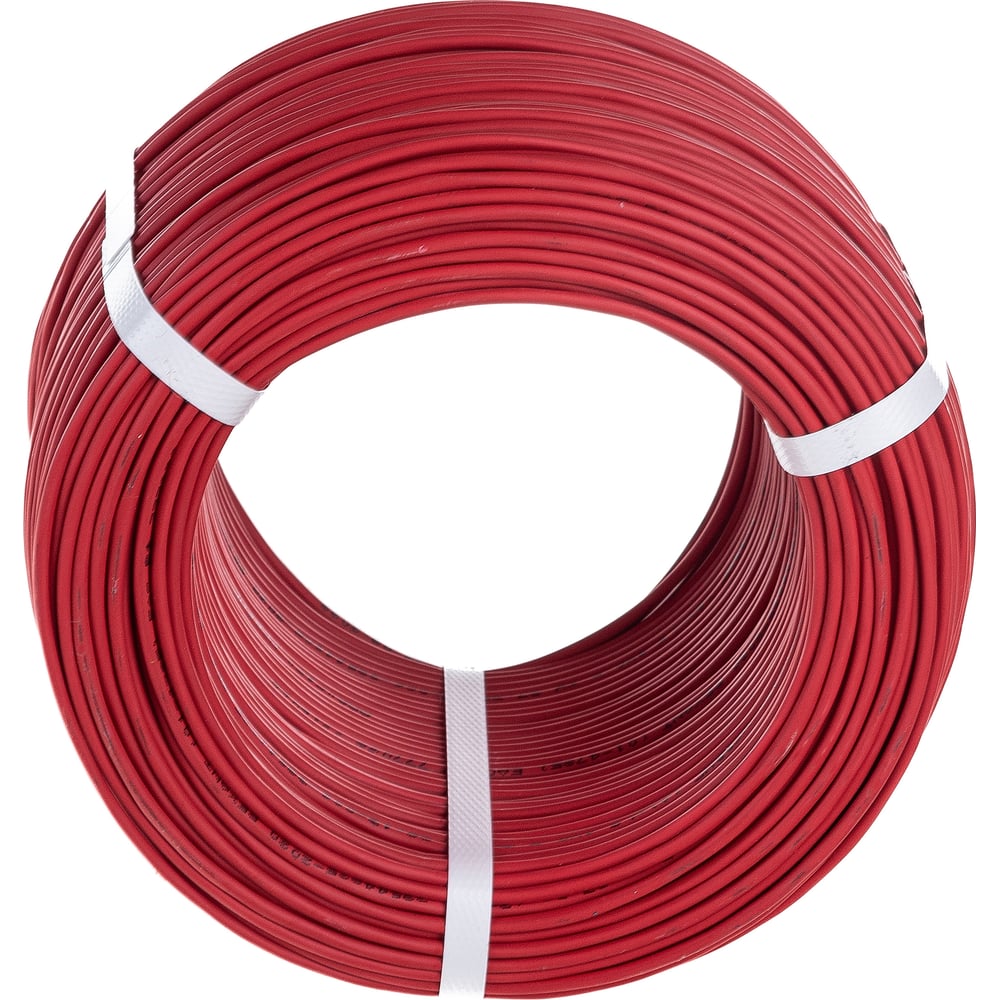
Imagine stepping onto a toasty floor on a chilly morning. No more scrambling for slippers or dreading the cold tiles in the bathroom. Warm floor heating cables make this dream a reality, providing radiant heat that warms your entire room from the ground up. But before you enjoy the comfort, proper installation is key. Here are 6 essential tips to ensure a smooth and successful warm floor heating cable installation: Planning is Key: Measure Twice, Cut Once! Before diving into installation, take the time to plan your project carefully. Here’s what you need to consider: Measure Your Floor Space: Accurately measure the square footage of your floor to determine the amount of heating cable needed. Most cables come pre-measured in specific lengths, so knowing your floor area helps you choose the right cable quantity. Choose the Right Cable Type: Different warm floor heating cables are designed for various floor types (concrete, wood subfloor, etc.) and heating needs (primary or secondary heat source). Consult a professional or refer to the manufacturer’s instructions for the best cable type for your project. Map Out the Cable Layout: Sketch a plan for the cable layout on your floor. This ensures even heat distribution and avoids placing furniture or fixtures directly over the cables. Consider factors like thermostat placement and furniture arrangement when creating your layout. Prepare Your Subfloor: A clean and even subfloor is essential for optimal cable performance and installation ease. Here are the steps: Remove Existing Floor Coverings: Remove any existing flooring materials like carpet, tile, or vinyl. Ensure a clean and smooth subfloor surface. Level Uneven Floors: If your subfloor has uneven areas, use a self-leveling compound to create a flat and even surface for the heating cable installation. Check for Subfloor Compatibility: Some subfloor materials like certain types of wood may require additional preparation or may not be compatible with warm floor heating cables. Always refer to the manufacturer’s instructions for specific compatibility information. Cable Installation: Follow the Path to Warmth! With a clean and leveled subfloor, it’s time for the magic to happen! Here’s how to install the warm floor heating cables: Secure the Heating Cable: Use the provided adhesive mat or mesh to secure the heating cable to the subfloor according to your pre-planned layout. Ensure the cable maintains a consistent spacing as recommended by the manufacturer (usually 4-6 inches apart). Maintain Cable Spacing: Avoid overlapping or crossing the heating cable as this can create overheating and damage the system. Connect the Cable to the Thermostat: Run the cable end back to the designated location for the thermostat, following the manufacturer’s instructions for proper connection. Test and Inspect: Safety First! Before proceeding with the final floor installation, it’s crucial to test the heating system for functionality and safety. Here’s what to do: Perform a System Test: Connect the thermostat and power on the system. Follow the manufacturer’s instructions on testing the heating cable for proper operation. Inspect Cable for Damage: Visually inspect the entire length of the cable for any cuts, tears, or damage that may have occurred during installation. A damaged cable can pose a safety risk and should be replaced. Apply Self-Leveling Underlayment (Optional): For certain floor types like tile, a self-leveling underlayment compound can be applied over the heating cable installation. This creates a smooth and even surface for tile installation and improves heat transfer. Install Your Final Floor Covering: Once the system is tested and approved, you can proceed with installing your chosen final floor covering. Ensure the chosen flooring material is compatible with warm floor heating systems. Bonus Tip: Professional Help is Available! While these tips can guide you through the warm floor heating cable installation process, it’s always recommended to consult a qualified electrician or heating professional for complex installations or if you’re unsure about any aspect of the project. Their expertise can ensure a safe and efficient installation, maximizing the comfort and longevity of your warm floor heating system. Wrap Up By following these tips and carefully considering your project’s specific needs, you can successfully install warm floor heating cables and enjoy the luxurious comfort of radiant heat in your home. Remember, planning, proper preparation, and following the manufacturer’s instructions are key to a successful and safe installation. So, get ready to step onto warm floors and enjoy the cozy difference!
3 Innovations from Leading Band Heater Manufacturers
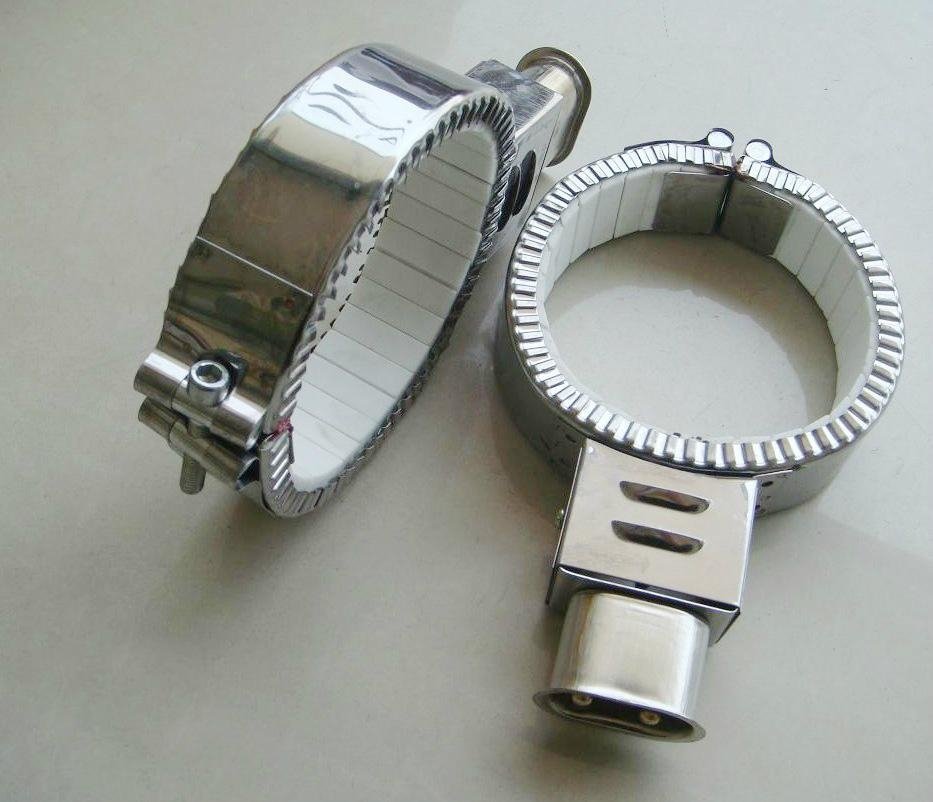
Every band heater manufacturer is constantly pushing the boundaries of design and technology to create even more efficient and effective heating solutions for industrial applications. These unsung heroes play a crucial role in various industries, ensuring optimal temperatures for processes like pipe heating, tank heating, and mold temperature control. But what exciting advancements are on the horizon? Let’s explore 3 innovative trends shaping the future of band heaters: Self-Regulating Band Heaters: Traditional band heaters rely on external controls to maintain a set temperature. However, self-regulating band heaters are a game-changer, offering automatic temperature control for a more streamlined and efficient heating process. Here’s how they work: PTC (Positive Temperature Coefficient) Material: The key lies in the use of a special PTC material within the band heater element. This material exhibits unique electrical properties. As the temperature rises, the electrical resistance of the PTC material also increases. Automatic Temperature Control: As the band heater heats up, the increasing resistance automatically reduces the current flow. This self-regulating mechanism prevents overheating and maintains a consistent temperature without the need for external controls. Benefits of Self-Regulating Band Heaters: Simplified Operation: Eliminates the need for complex temperature controllers, simplifying installation and maintenance. Energy Efficiency: Reduces energy consumption by automatically adjusting power output based on temperature needs. Improved Safety: Minimizes the risk of overheating, promoting safer operation in various industrial settings. High-Performance Materials for Extreme Applications: Band heater manufacturers are developing innovative materials that can withstand extreme temperatures and harsh environments. This opens doors for new applications in demanding industries: Advanced Mica Insulation: Mica is a natural mineral known for its excellent heat resistance and electrical insulating properties. New advancements in mica processing have led to even higher-performing mica insulation, allowing band heaters to operate at even higher temperatures. Specialized Alloys for Corrosion Resistance: In highly corrosive environments, traditional band heater materials can degrade. Manufacturers are developing new alloys that resist corrosion, ensuring long-lasting performance in applications like chemical processing or marine environments. Flexible and Expandable Heating Elements: Certain applications require heating elements that can conform to irregular shapes or expand and contract with temperature fluctuations. New materials like silicone rubber or high-temperature fabrics offer increased flexibility and expandability, making band heaters more versatile. Smart Band Heaters with Integrated Monitoring and Control: The future of band heaters lies in connectivity and intelligent control. Imagine band heaters that can not only heat objects but also monitor performance and communicate data: Embedded Sensors: Band heaters with integrated temperature sensors can provide real-time feedback on heating performance, allowing for precise control and process optimization. Wireless Connectivity: Imagine band heaters that connect to a wireless network, enabling remote monitoring and control. This allows for adjustments to be made from anywhere, improving process efficiency and reducing downtime. Predictive Maintenance: Smart band heaters can analyze data and predict potential failures before they occur. This proactive approach to maintenance can save companies time and money by preventing costly breakdowns. Last Word These innovative trends from leading band heater manufacturers offer a glimpse into the future of industrial heating. Self-regulating band heaters promise simplified operation and energy savings. As these advancements continue, band heaters will play an even more critical role in ensuring optimal temperatures and efficient processes across various industries.
Top 3 Electric Tubular Heaters for Efficient Heating
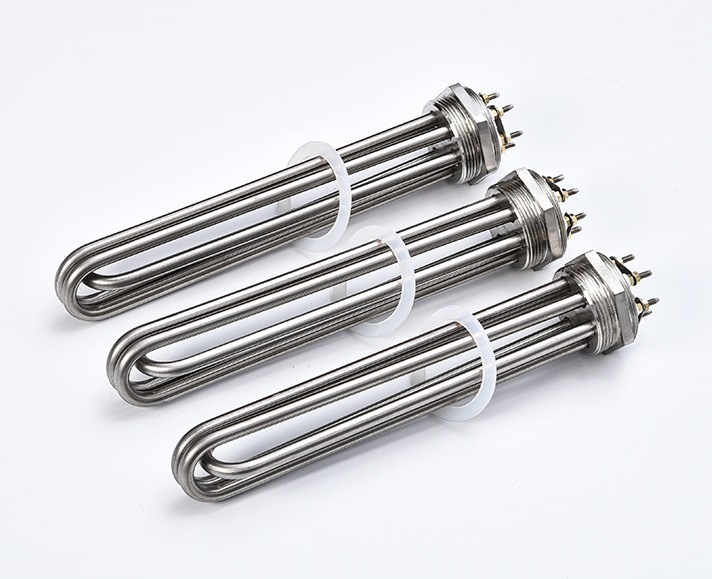
Feeling a chill in the air? As the seasons change, staying warm and comfortable indoors becomes a priority. But cranking up the central heating can be expensive and inefficient. Enter the electric tubular heater, a versatile and energy-saving solution for keeping specific areas toasty. These compact and powerful heaters use electricity to generate warmth, offering a targeted heating option for rooms or spaces that might get neglected by your central heating system. This blog explores the top 3 electric tubular heaters for efficient heating, ensuring you find the perfect fit for your needs: Finned Tubular Heaters: These are the workhorses of the electric tubular heater world, offering exceptional efficiency and versatility. How it Works: Finned tubular heaters feature a metal tube containing a heating element. Fins are attached to the tube, increasing the surface area and maximizing heat radiation into the surrounding air. Benefits: Efficient Heat Transfer: Fins provide a large surface area for efficient heat transfer, warming the room quickly and evenly. Durable Construction: The metal casing and fins ensure long-lasting performance. Versatility: Finned tubular heaters come in various sizes, wattages, and configurations, making them suitable for a wide range of applications. Applications: Finned tubular heaters are ideal for: Workshops and Garages: Provide warmth for working on projects during colder months. Basements and Attics: Combat the chill in these often-neglected spaces. Sunrooms and Patios: Extend the use of these areas during cooler seasons. Immersion Tubular Heaters: Perfect for liquids and gases, immersion tubular heaters provide targeted heating within tanks, pipes, or vessels. How it Works: Immersion tubular heaters are submerged directly into the liquid or gas you want to heat. The heating element transfers heat directly to the surrounding medium, ensuring efficient and fast heating. Benefits: Precise Heating: Immersion heaters provide targeted heating within the liquid or gas, minimizing heat loss to the surrounding environment. Fast Heating: The direct contact with the medium allows for rapid temperature increase. Durable Construction: Immersion heaters are built with materials resistant to corrosion and high temperatures. Applications: Immersion tubular heaters are commonly used for: Aquariums and Ponds: Maintain a consistent and comfortable temperature for your fish. Pool and Spa Heating: Provide supplemental or primary heating for pools and spas. Chemical Processing: Heat liquids and gases for various industrial applications. Infrared Tubular Heaters: These innovative heaters use infrared radiation to deliver a gentle, radiant warmth that penetrates objects directly. How it Works: Infrared tubular heaters generate invisible infrared waves that heat objects they come into contact with, including people and furniture. This differs from traditional heaters that warm the air itself. Benefits: Targeted Heating: Infrared heaters provide warmth directly to people and objects within their range, creating a comfortable and localized heating zone. Energy-Efficient: Infrared heaters don’t waste energy heating the air, making them a more efficient option for spot heating. Quiet Operation: Infrared heaters operate silently, making them ideal for bedrooms or quiet spaces. Applications: Infrared tubular heaters are well-suited for: Outdoor Patios and Decks: Enjoy comfortable warmth even on chilly evenings outdoors. Spot Heating in Workshops or Garages: Provide warmth to specific work areas without heating the entire space. Animal Husbandry: Maintain comfortable temperatures for livestock or pets in barns or sheds.