

How to Connect Heating Cable – A Short Guide
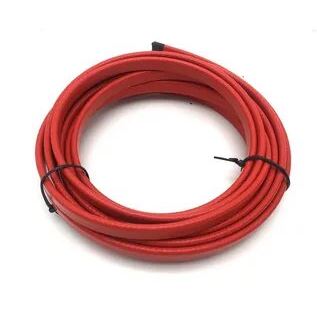
Heating cables are essential for preventing pipes from freezing, melting snow, or maintaining consistent temperatures. If you’re working with heating cables, understanding how to connect them safely and efficiently is crucial. In this guide, we’ll break down the steps in simple terms. Whether you’re a DIY enthusiast or a professional, this article is here to help. Stay safe and ensure proper installation with these tips from heating cable manufacturers. What Are Heating Cables? Heating cables are electric wires designed to generate heat. They are widely used for: Preventing frozen pipes: They keep water flowing in cold conditions. Roof de-icing: These cables help melt snow on roofs and gutters. Floor heating systems: Ideal for adding warmth to indoor spaces. Industrial applications: Useful in processes requiring consistent heat. They are easy to install with the right tools and knowledge. Now, let’s move to the connection process. Tools You Will Need Before starting, gather these tools for a smooth installation: Heating cable kit (check specifications from the manufacturer) Electrical tape or heat-shrink tubing Screwdrivers Voltage tester Wire strippers Having the right tools ensures safety and efficiency. Step-by-Step Guide to Connect Heating Cable 1. Read the Manufacturer’s Instructions Each heating cable is unique. Always start by reviewing the manual. It includes important information like voltage ratings, temperature limits, and specific installation requirements. 2. Turn Off the Power Safety is vital. Switch off power at the circuit breaker before working on any electrical connections. 3. Prepare the Heating Cable Inspect the cable: Ensure there are no cuts, wear, or damage. Measure and cut if necessary: Follow the manufacturer’s guidelines for cutting the cable, if allowed. Strip the insulation: Expose the inner wires carefully using a wire stripper. 4. Connect to the Power Source Identify the wires: Typically, heating cables have hot, neutral, and ground wires. Attach wires securely: Connect the wires to the power source, ensuring proper alignment (hot to hot, neutral to neutral). Secure connections: Use wire nuts or terminal blocks for a tight fit. 5. Apply Insulation Wrap the connections with electrical tape or heat-shrink tubing. This protects against moisture, dirt, and accidental contact. 6. Test the Connection Use a voltage tester to ensure power flows correctly. Check for any faults or loose connections. 7. Install the Heating Cable Position the cable: Place it along the pipe, roof, or surface you want to heat. Secure the cable: Use approved clips or ties to hold it in place. Avoid overlapping: Overlapping can cause overheating and damage. 8. Power Up the System Turn the power back on at the circuit breaker. Monitor the system to ensure proper heating performance. Safety Tips for Connecting Heating Cable Never cut the heating element unless specified: This can damage the cable. Use GFCI-protected circuits: They help prevent electrical shocks. Inspect regularly: Check the cables and connections periodically for wear and tear. Follow local codes: Ensure the installation complies with electrical safety standards. Common Mistakes to Avoid Here are some errors that can lead to inefficiency or hazards: Overlapping cables during installation Using damaged or faulty wires Ignoring the manufacturer’s specifications Skipping insulation of exposed wires Quick Comparison Table of Cable Types Final Words Connecting heating cables is straightforward when you follow the correct steps. By using the right tools, following manufacturer instructions, and adhering to safety guidelines, you can ensure a successful installation. Heating cable manufacturers offer various options, so choose one that fits your needs. Keep your home or workspace warm and efficient with properly connected heating cables.
What Are Finned Cartridge Heater Uses?
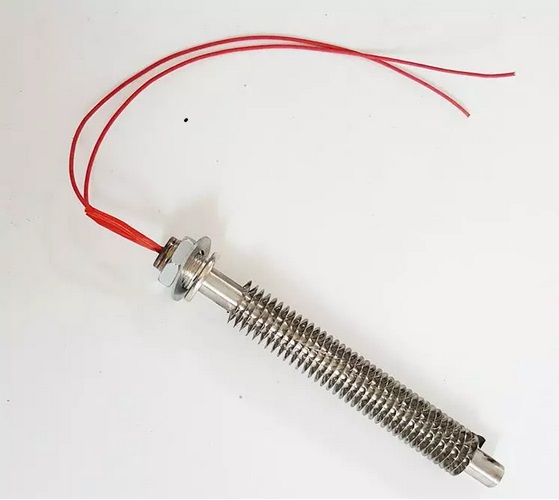
A finned cartridge heaters is a versatile and efficient heating solution widely used across various industries. They deliver reliable heat while ensuring durability and energy efficiency. These heaters stand out due to their high performance and adaptability, making them essential for numerous applications. Understanding their uses can help industries improve processes, save energy, and enhance product quality. Here, we explore the practical uses of finned cartridge heater in detail. Understanding Finned Cartridge Heater A finned cartridge heater is a tubular heating device with metal fins attached to its surface. These fins increase the surface area for heat transfer, improving thermal efficiency. The heater’s core is made of a resistance wire wrapped around a ceramic core, encased in a stainless steel sheath for durability. Key Features of Finned Cartridge Heater Finned cartridge heaters offer several benefits: Efficient Heat Transfer: Fins enhance heat dissipation, making the heater effective even in high-demand environments. Durability: The stainless steel sheath resists corrosion, ensuring a longer lifespan. Customizable Sizes: Heaters are available in various lengths, diameters, and wattages to fit specific applications. Energy Efficiency: Optimized design reduces energy consumption. Common Applications of Finned Cartridge Heater Finned cartridge heaters find applications in a wide range of industries. Below are some of their primary uses: 1. Plastic Industry Plastic processing often requires precise heating. Finned cartridge heaters help in: Injection Molding: Heating molds to maintain consistent material flow. Extrusion Machines: Ensuring the smooth melting of plastic granules. Hot Runner Systems: Providing localized heating for high-quality plastic components. 2. Food and Beverage Industry Temperature control is critical for food safety and quality. Finned cartridge heaters are used in: Packaging Machines: Sealing food packages securely with controlled heat. Ovens and Grills: Maintaining consistent cooking temperatures. Beverage Dispensing Systems: Heating liquids like coffee or tea to ideal serving temperatures. 3. Medical Equipment The healthcare industry relies on accurate and reliable heating solutions. These heaters are crucial for: Sterilization Units: Maintaining high temperatures for equipment sterilization. Diagnostic Machines: Providing necessary heat for accurate test results. Blood Analyzers: Ensuring stable temperature conditions. 4. Automotive Sector In the automotive industry, finned cartridge heaters help in processes such as: Engine Preheating: Keeping engines at optimal temperatures in cold climates. Mold Heating: Producing high-quality parts for vehicles. Seat Heating Systems: Enhancing passenger comfort. 5. Packaging Industry For efficient and high-speed operations, these heaters are used in: Shrink Wrapping Machines: Providing consistent heat for wrapping products. Heat Sealers: Sealing plastic bags and films. Labeling Equipment: Applying heat-sensitive labels to containers. How Finned Cartridge Heaters Work in Real Applications To better understand their efficiency, consider this example: Factors to Consider When Choosing Finned Cartridge Heaters When selecting a finned cartridge heater, keep these factors in mind: Size and Wattage: Choose based on the specific heating requirements of your application. Material: Stainless steel is ideal for durability and corrosion resistance. Temperature Range: Ensure the heater can achieve the necessary operating temperature. Mounting Options: Opt for easy installation to minimize downtime. Maintenance Tips for Longevityof a Cartridge Heater Proper maintenance ensures the heater’s long life and consistent performance: Regular Cleaning: Remove dust and debris from fins for effective heat dissipation. Inspect Connections: Check wiring and terminals for wear or damage. Avoid Overheating: Use a temperature controller to prevent excessive heat. Periodic Testing: Test heater performance to detect issues early. Final Words A finned cartridge heater is vital for various industries, offering reliable and efficient heating solutions. From plastic molding to food packaging and medical equipment, their uses are vast and impactful. Choosing the right heater and maintaining it properly ensures long-term benefits, improved productivity, and reduced energy costs. When you need consistent, efficient heat for critical applications, finned cartridge heaters are a dependable choice.
What Material is Used for Thread Cartridge Heaters
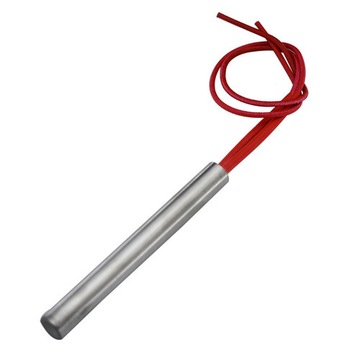
Thread cartridge heaters are essential in industries requiring precise and efficient heating. These heaters are cylindrical devices designed to transfer heat effectively. But have you ever wondered what materials make them so reliable and durable? This blog will explore the key materials used in thread cartridge heaters, why they are chosen, and how they enhance performance. Understanding Thread Cartridge Heaters Thread cartridge heaters are compact, high-temperature heating elements. They are often used in molds, dies, medical devices, and packaging equipment. The materials used in their construction play a significant role in ensuring their functionality. Each component is carefully designed to withstand harsh conditions, maintain efficiency, and ensure safety. Core Materials in Thread Cartridge Heaters Several materials are used to manufacture these heaters. Each serves a unique purpose and contributes to the heater’s durability and performance. 1. Sheath Material The sheath is the outermost layer of the heater. It protects internal components and ensures heat transfer. Common materials include: Stainless Steel: Known for corrosion resistance, it works well in high-temperature and moisture-prone environments. Incoloy: A nickel-based alloy, it offers excellent resistance to oxidation and scaling in extreme heat. Copper: Often used when rapid heat transfer is required. 2. Heating Element The heating element inside the cartridge generates heat. Typical materials include: Nickel-Chromium (Ni-Cr) Wire: Offers high electrical resistance and can withstand high temperatures. Kanthal Wire: Made from iron-chromium-aluminum, it provides exceptional longevity at elevated temperatures. 3. Insulation Material Insulation ensures the heat stays concentrated within the heater. Common materials are: Magnesium Oxide (MgO): This powder or compacted form has high thermal conductivity and electrical insulation properties. Ceramic Insulation: Used for extra durability and resistance to electrical breakdown. 4. Lead Wire Materials Lead wires connect the heater to the power source. They must withstand both heat and mechanical stress. Silicone-Insulated Wires: Ideal for flexibility and temperature resistance. Fiberglass-Insulated Wires: Used in high-temperature applications due to their excellent thermal resistance. Why These Materials Are Chosen Each material is selected based on specific properties that enhance the cartridge heater’s performance: High Thermal Conductivity: Ensures efficient heat transfer to the target application. Corrosion Resistance: Protects against harsh environments, extending heater life. Electrical Insulation: Prevents short circuits and ensures user safety. Mechanical Strength: Withstands vibrations and physical stress without damage. Key Benefits of Using the Right Materials Using the correct materials in threaded cartridge heaters ensures several advantages: Enhanced Efficiency: Proper materials ensure minimal heat loss and faster heating. Extended Lifespan: Durable materials resist wear and tear, even under tough conditions. Improved Safety: High-quality insulation materials prevent electrical hazards. Applications of Thread Cartridge Heaters Thread cartridge heaters are widely used across industries. Here are some common applications: Plastic Injection Molding: Heating molds to specific temperatures. Medical Equipment: Precise heating for sterilization or fluid control. Food Processing: Maintaining temperatures in packaging and sealing machines. Automotive Industry: Supporting heating systems for dies and molds. Wrap Up Thread cartridge heaters rely on carefully selected materials to deliver consistent performance in demanding environments. The combination of stainless steel sheaths, nickel-chromium elements, magnesium oxide insulation, and durable lead wires ensures these heaters are efficient, durable, and safe. When choosing or maintaining a thread cartridge heater, understanding the materials used can help you make informed decisions for your application.
What is Cartridge Heater With Thermocouple – A Short Guide
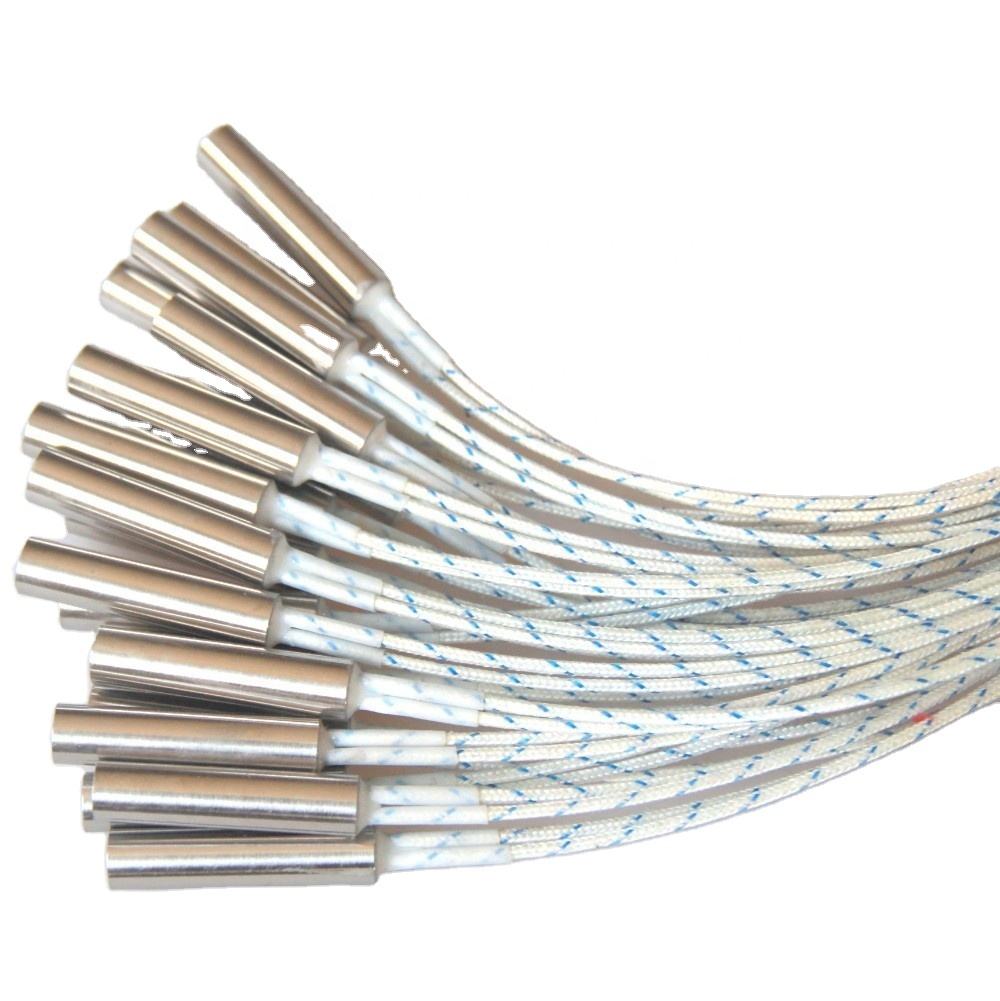
Cartridge heaters with thermocouples are essential tools in many industries. They combine heating elements with temperature sensors for precision. These heaters are designed to deliver localized heat and maintain accurate temperature control in various applications. If you’re working in manufacturing, engineering, or electronics, understanding these heaters can make a big difference in achieving efficient operations. This short guide will explain what they are, how they work, and where they are commonly used. What is a Cartridge Heater With Thermocouple? A cartridge heater is a cylindrical heating element. It generates heat by passing electricity through a resistive wire inside a metal casing. The addition of a thermocouple allows real-time temperature monitoring. The thermocouple is a built-in sensor that measures the heater’s temperature. This feature ensures consistent and controlled heating in critical processes. Cartridge heaters are available in various sizes, wattages, and materials. They are widely used in processes where precision heating is essential, such as plastic molding, food equipment, and medical devices. How Does a Cartridge Heater With Thermocouple Work? These heaters work on the principle of resistance heating. The resistive wire heats up when an electric current flows through it. The heat is transferred to the surrounding area via the metal sheath. The thermocouple plays a key role in temperature control. It measures the temperature at a specific point and sends the data to a controller. If the temperature exceeds or drops below the set range, the controller adjusts the power supply to maintain stability. Key Components of a Cartridge Heater With Thermocouple: Heating Element: Usually made of nickel-chromium (NiCr) wire for high efficiency. Metal Sheath: Protects the internal components and ensures efficient heat transfer. Common materials include stainless steel and Incoloy. Thermocouple: Often a Type J or K thermocouple is integrated for accurate temperature sensing. Insulation: High-purity magnesium oxide (MgO) is used for electrical insulation and heat conduction. Advantages of Cartridge Heaters With Thermocouples These heaters offer several benefits that make them a popular choice in industries: Precise Temperature Control: Thermocouples enable accurate and real-time temperature monitoring. High Efficiency: They quickly reach desired temperatures, reducing energy consumption. Durability: Built with robust materials to withstand high temperatures and harsh environments. Versatility: Suitable for various applications, from industrial to commercial use. Common Applications of Cartridge Heaters With Thermocouples Cartridge heaters are used in multiple industries. Here’s where they are commonly found: Plastic and Rubber Molding: For heating molds and dies evenly. Packaging Machines: Used in sealing equipment to maintain consistent heat. Medical Devices: Found in diagnostic and sterilization equipment. Food Equipment: Used in cooking, baking, and warming appliances. 3D Printing: Helps in heating nozzles and maintaining stable temperatures. Choosing the Right Cartridge Heater With Thermocouple Selecting the right heater involves several factors. These include size, watt density, and operating temperature. Here’s a quick checklist to help you choose: Size and Fit: Ensure the heater matches the dimensions of the application. Wattage: Higher watt density is needed for faster heating in demanding applications. Temperature Range: Consider the operating environment to choose a suitable material. Type of Thermocouple: Type J and K are the most common for their reliability and range. Maintenance Tips for Cartridge Heaters With Thermocouples Proper care ensures a long service life. Here are some tips: Inspect Regularly: Check for signs of wear or damage. Clean Periodically: Remove dirt or residue to avoid overheating. Ensure Proper Fit: Loose heaters may cause uneven heating or failure. Monitor Thermocouple: Replace if the sensor becomes inaccurate. Final Thoughts Cartridge heaters with thermocouples are reliable and efficient heating tools for precision applications. Their ability to provide controlled heat makes them indispensable in various industries. By understanding how they work and selecting the right model, you can achieve better performance and longer service life. Whether it’s plastic molding or food processing, these heaters are a smart solution for your heating needs.
5 Best Ways to Do Quality 3D Heat Printing
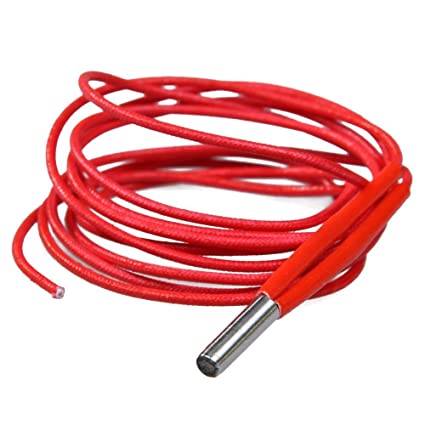
3D printing has changed the way we create and design. To get the best results, you need a reliable setup. One key part is the heater, and that’s why finding the right 3D printer heater manufacturers is so important. A good heater ensures consistent heat, leading to better prints. In this post, we’ll explore five ways to improve your 3D heat printing quality. 1. Choose the Right 3D Printer Heater The heater is the heart of your 3D printer. It controls the temperature, which affects how the material melts and bonds. Picking the right heater ensures smooth and strong prints. Tips for choosing the best heater: Compatibility: Make sure the heater matches your printer model. Power rating: Higher wattage can heat up faster and handle tougher materials. Material: Heaters made with high-grade metals last longer and perform better. Reputation of manufacturers: Research trusted 3D printer heater manufacturers to ensure quality. Heater Type Best For Key Features Ceramic Heaters Consistent heat distribution Durable and stable temperature Cartridge Heaters High heat for advanced materials Compact and efficient design 2. Use High-Quality Filament The filament directly impacts print quality. Cheap materials often lead to uneven melting and weak prints. Checklist for high-quality filament: Consistent diameter for even extrusion. Check for moisture resistance to avoid bubbles. Choose filaments rated for your heater’s temperature range. Popular options include PLA, ABS, and PETG for standard projects, while nylon and carbon-fiber blends work for tougher prints. 3. Calibrate the Printer Properly Calibration ensures that every part of your printer works in harmony. Incorrect settings can ruin your prints. Key calibration steps: Level the print bed: Use a piece of paper to set the gap between the nozzle and the bed. Adjust the nozzle temperature: Follow the filament’s recommended temperature. Check the flow rate: Make sure the material extrudes at the right speed. Test print a calibration model: This will highlight any issues in your settings. Pro tip: Keep a log of your calibration settings for future reference. 4. Control the Print Environment External factors can affect heat distribution and print quality. A stable environment ensures consistent results. Tips to control your workspace: Keep the room free from drafts to avoid uneven cooling. Use an enclosure to maintain a steady temperature. Avoid humid conditions that can affect filament properties. 5. Perform Regular Maintenance Regular maintenance keeps your printer in top condition. A well-maintained machine delivers better prints. Maintenance checklist: Clean the nozzle to prevent clogs. Inspect wires and connectors for wear. Check the heater’s performance regularly to ensure proper function. Lubricate moving parts for smooth operation. Final Thoughts Quality 3D heat printing requires attention to detail and the right equipment. Start by choosing the best 3D printer heater manufacturers to ensure reliability. Pair this with quality filaments, proper calibration, and a stable environment to achieve excellent prints. With regular maintenance, you can ensure long-term success. Stick to these steps, and your prints will turn out smooth, precise, and durable.
How to Find the Best CO2 Heater Element Manufacturer Online
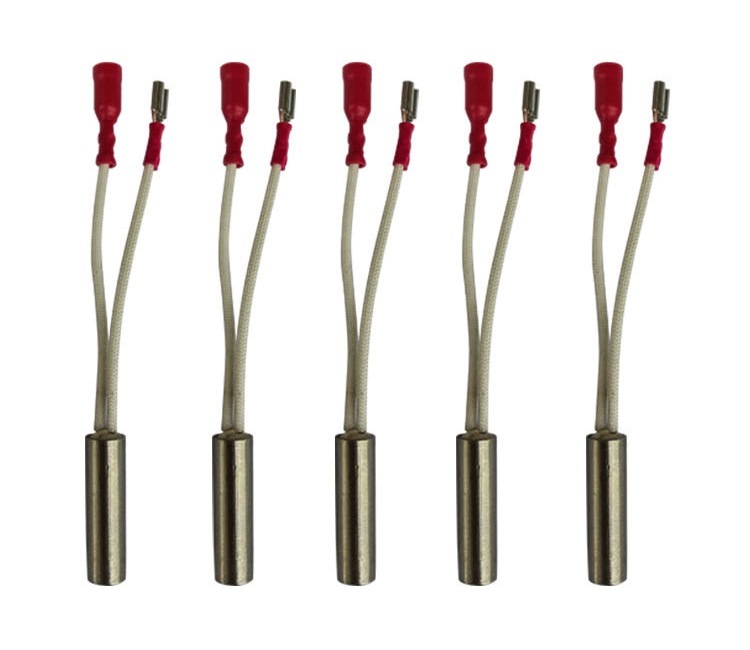
Finding the right CO2 heater element manufacturer is a crucial step for businesses and individuals needing reliable heating solutions. With numerous options available online, the challenge lies in identifying a trusted provider that meets your requirements. CO2 heater elements are widely used in industries like agriculture, medical devices, and manufacturing. Choosing the wrong manufacturer can lead to inefficient systems and increased costs. This guide will help you discover the best online manufacturer while ensuring top-notch quality and service. Why CO2 Heater Elements Are Important CO2 heater elements are vital in maintaining consistent temperatures in equipment that uses carbon dioxide. These heaters enhance performance and ensure energy efficiency. Here’s why they’re critical: Precision Heating: Ensures consistent thermal output for sensitive applications. Energy Efficiency: Reduces energy consumption by delivering targeted heat. Durability: High-quality materials ensure long-lasting performance in demanding environments. Safety: Minimizes risks of overheating or equipment failure. Given their importance, sourcing them from a trusted manufacturer ensures peace of mind and long-term benefits. Steps to Identify a Reliable CO2 Heater Element Manufacturer Online Search for Reputable Companies Begin with a focused online search for manufacturers specializing in CO2 heater elements. Look for high-ranking websites and industry-specific directories. Use search terms like “certified CO2 heater element manufacturers.” Check if the website looks professional and provides detailed product information. Evaluate Product Quality Not all CO2 heater elements are created equal. Look for the following indicators of high-quality products: Material Details: Manufacturers should use corrosion-resistant and heat-tolerant materials like stainless steel. Certifications: Ensure the manufacturer adheres to ISO standards or industry-specific certifications. Customer Reviews: Positive feedback often reflects consistent product quality. Check Manufacturing Capabilities A good manufacturer offers advanced production facilities and flexible customization options. Important factors to assess include: Production Volume: Can they meet your demand scale? Customization: Do they offer size or design modifications for specific applications? Lead Time: How quickly can they deliver your order? Compare Pricing and Warranty Options Price is always a factor, but cheaper doesn’t always mean better. Check for competitive pricing without compromising quality. Request Quotes: Compare prices from multiple manufacturers. Warranty: Choose manufacturers offering solid warranties on their heater elements. Review Customer Support Excellent customer service is an essential marker of a reliable company. Look for manufacturers offering: Technical Assistance: Pre- and post-sale support. Detailed Guides: Product manuals or troubleshooting guides. Responsive Communication: Quick responses to emails or inquiries. Key Features to Look for in a CO2 Heater Element To ensure you’re purchasing the right heater element, consider the following features: Questions to Ask the Manufacturer Asking the right questions helps verify the manufacturer’s credibility and ensures a smoother purchasing experience: What materials are used in your CO2 heater elements? Can you provide a list of certifications or quality standards? Do you offer custom designs for unique applications? What is the typical delivery time for bulk orders? What support do you provide after the purchase? Top Benefits of Choosing the Right Manufacturer When you select a reliable CO2 heater element manufacturer, you enjoy several benefits: Consistent Quality: High-performance products with fewer breakdowns. Reduced Costs: Energy-efficient solutions lower operational expenses. Expert Support: Reliable technical assistance for installation and maintenance. Timely Delivery: Keeps your operations running smoothly. Final Thoughts Finding the best CO2 heater element manufacturer online requires research, attention to detail, and a focus on quality. By following these steps, you can identify a trusted provider offering durable, efficient, and high-performing heater elements. Always prioritize companies with excellent customer reviews, transparent policies, and a commitment to quality standards. A smart choice today ensures long-term benefits for your operations.
How to Find Cartridge Heater Suppliers Online
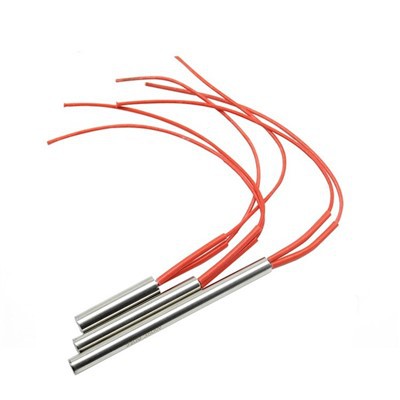
Cartridge heaters are essential for industries requiring precise temperature control. Whether for plastic molding, food processing, or laboratory equipment, finding reliable cartridge heater suppliers online is crucial. Choosing the right supplier impacts product quality, operational efficiency, and long-term cost savings. This guide will help you discover the best suppliers without feeling overwhelmed. Why Choosing the Right Supplier Matters The right supplier ensures you get high-quality cartridge heaters tailored to your needs. A reliable supplier offers: Durable products that meet industry standards. Customization options for specific applications. Technical support to address your challenges. Timely delivery to avoid production delays. Skipping these factors can lead to costly downtime and substandard performance. Let’s explore how to find the perfect supplier online. 1. Start with Online Research The internet is your best tool for finding reliable suppliers. Follow these steps: Use Search Engines Wisely Search for “cartridge heater suppliers near me” or “top-rated cartridge heater suppliers online.” Include specific terms like custom cartridge heaters or industrial-grade cartridge heaters. Look for suppliers ranking on the first page, as these are often the most trusted. Check Supplier Websites When browsing supplier websites: Ensure the company specializes in cartridge heaters. Look for detailed product descriptions with specifications. Verify if they mention certifications like ISO or CE compliance. Explore Online Marketplaces Platforms like: Alibaba ThomasNet Global Sources Host numerous cartridge heater suppliers. Compare ratings, reviews, and pricing before making contact. 2. Assess Supplier Credibility A supplier’s reputation speaks volumes about their reliability. Here’s how to check: Read Online Reviews Use platforms like Google Reviews or Trustpilot for unbiased opinions. Pay attention to common complaints, such as delivery delays or product defects. Ask for References Request customer references to gauge satisfaction levels. Contact their clients to ask about service reliability and product quality. Verify Certifications Suppliers with proper certifications ensure safety and performance standards. Common certifications include: 3. Evaluate Product Range and Features A diverse product catalog indicates a supplier’s capability to handle various needs. When reviewing options, consider: Wattage and voltage ranges. Materials like stainless steel or Incoloy for durability. Customizable sizes for specific applications. Look for Special Features Rapid heat-up time. Energy efficiency. Uniform temperature distribution. Compare these features across multiple suppliers to find the best match. 4. Compare Pricing and Lead Times Price and delivery time directly impact your project timelines and budget. Request Quotes Contact multiple suppliers to get detailed quotes. Look for: Pricing per unit for bulk orders. Discounts or special offers for repeat customers. Ask About Delivery Times Confirm lead times to ensure the supplier meets your schedule. Check if they offer expedited shipping options. Factor in Hidden Costs Customs or import fees for international orders. Shipping charges for small quantities. 5. Customer Support and After-Sales Service Customer service is critical for long-term partnerships. Prioritize suppliers offering: 24/7 support channels like live chat or phone assistance. Installation guides for quick setup. Warranty policies covering repairs or replacements. 6. Test the Supplier with Small Orders Before placing bulk orders, test the supplier’s reliability: Order a small batch to assess product quality. Monitor delivery times and packaging. Evaluate their responsiveness to issues or questions. Red Flags to Avoid Stay cautious if you notice: Vague product descriptions or missing technical details. No certifications or unclear warranty policies. Poor communication or delayed responses. Final Thoughts Finding the best cartridge heater suppliers online requires careful research and evaluation. From product quality to customer support, each factor plays a role in your decision. By following this guide, you can confidently select a supplier that meets your needs and ensures reliable performance. Remember, a dependable supplier like Cheri Heater is not just a vendor but a long-term partner in your success.
What Are The Industrial Benefits of a Cartridge Heater
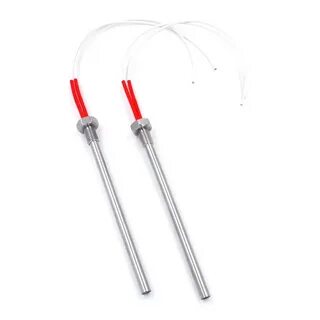
Cartridge heaters play a critical role in various industries. If manufactured by a leading cartridge heater manufacturer, these heaters are vital for applications requiring precise and efficient heat. Designed to deliver targeted heat, they are perfect for numerous industrial processes. If you’re looking for reliable heating solutions, understanding the benefits of cartridge heaters is key. What Is a Cartridge Heater? A cartridge heater is a cylindrical heating element designed for insertion into a solid block or cavity. These heaters are used to transfer heat efficiently to specific areas. They consist of a resistance wire coil, insulated within a high-temperature casing, typically made of stainless steel. Commonly found in manufacturing, medical devices, and food production, cartridge heaters are known for their reliability and performance. Key Industrial Benefits of Cartridge Heaters Cartridge heaters provide numerous advantages, making them a preferred choice for various industries. Here are the major benefits: 1. Precision Heating Cartridge heaters deliver controlled and localized heat. They ensure uniform temperature distribution. Prevent overheating, protecting sensitive components. Useful in applications like injection molding and die-casting. 2. Energy Efficiency These heaters are designed to minimize energy wastage. High energy-to-heat conversion rates reduce electricity consumption. Lower operating costs over time. Eco-friendly heating solution compared to alternatives. 3. Compact Design Cartridge heaters are compact and easy to install. Fit into tight spaces without affecting performance. Allow for versatile design in equipment and machinery. Lightweight yet durable for extended use. 4. Durability and Longevity Built to withstand harsh conditions, cartridge heaters offer long service life. Resistant to corrosion and wear. Function effectively under high temperatures and pressure. Reduce maintenance frequency and costs. 5. Versatility Cartridge heaters are suitable for a wide range of industries: Plastic Manufacturing: Melts materials with precision. Pharmaceuticals: Used in sterilization equipment. Food Industry: Maintain proper temperatures in packaging machinery. Automotive: Assist in engine block heating Factors to Consider When Choosing a Cartridge Heater Selecting the right cartridge heater depends on the application and environment. Consider the following: Material: Stainless steel is durable and corrosion-resistant. Voltage and Wattage: Ensure compatibility with your power source. Temperature Range: Select a heater that can handle required temperatures. Size: Match the heater’s dimensions to your system. Custom Options: Some manufacturers offer tailored solutions for unique needs. Applications of Cartridge Heaters Cartridge heaters are essential in multiple fields due to their adaptability. Here’s how different industries benefit: Manufacturing: Used in molds, dies, and sealing machines for uniform heating. Medical: Found in surgical tools and diagnostic equipment. Aerospace: Provide critical heating for testing and research. Food Processing: Keep production lines running at optimal temperatures. Maintenance Tips for Cartridge Heaters To ensure a long lifespan and optimal performance, regular maintenance is crucial: Clean the surface to remove debris or residue. Check for signs of wear or damage. Monitor the temperature to avoid overheating. Replace faulty connections or wiring promptly. Why Partner With a Trusted Cartridge Heater Manufacturer? Working with an experienced cartridge heater manufacturer ensures high-quality products that meet industry standards. A good manufacturer provides: Customizable designs for specific applications. Reliable customer support and technical assistance. Quick delivery of high-performance heaters. Final Thoughts Cartridge heaters are a cornerstone of many industrial processes, offering precision, efficiency, and durability. By choosing the right and reputable cartridge heater manufacturer, businesses can optimize their operations and reduce costs. Whether you’re in manufacturing, medical, or food production, cartridge heaters deliver unmatched performance and reliability.
5 Reasons Why You Need a Ceramic Heating Pad
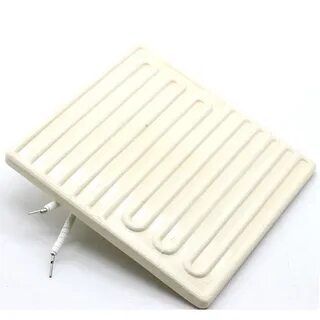
Are you looking for an efficient way to manage pain or keep warm? A Ceramic Heating Pad could be the perfect solution. With its advanced heating technology and multiple health benefits, this heating pad has gained popularity among people seeking comfort and relief. Whether it’s for soothing sore muscles or relieving chronic pain, this innovative product can make your life easier. Here are five reasons why it’s a must-have for your home or workplace. 1. Efficient Heat Distribution One standout feature of a Ceramic Heating Pad is its ability to provide even heat distribution. Unlike traditional heating pads, ceramic technology ensures consistent warmth across the entire surface. How It Works: The pad uses ceramic plates that retain heat for longer, offering deep and uniform warmth. Why It’s Better: No more worrying about cold spots or uneven heating that can make traditional pads less effective. This even distribution allows for better relief from pain, muscle stiffness, or tension in specific areas. It’s perfect for targeted therapy. 2. Fast Heating for Immediate Relief When you’re in pain, waiting for relief isn’t an option. A Ceramic Heating Pad heats up quickly, providing instant comfort. Heating Time: Most ceramic heating pads reach the desired temperature within seconds. Adjustable Settings: These pads often come with multiple heat levels, so you can customize your experience. This quick heat-up time makes it ideal for busy people who need efficient and immediate results. 3. Long-Lasting Durability Ceramic heating pads are built to last, making them a smart investment. The materials used are durable and reliable. Key Features: Heat-resistant ceramic plates High-quality outer fabric Strong wiring for safe use Benefits: These components ensure the pad maintains its performance for years without wear and tear. You won’t need to replace it frequently, saving money over time. 4. Health Benefits Backed by Science A Ceramic Heating Pad isn’t just about staying warm—it offers significant health advantages. Its deep-penetrating heat provides therapeutic benefits that improve overall well-being. Pain Relief: Helps with arthritis, back pain, and joint discomfort. Improved Circulation: Boosts blood flow to affected areas, speeding up the healing process. Stress Reduction: The soothing warmth relaxes muscles and relieves stress. Whether you’re an athlete recovering from an injury or someone managing chronic pain, this product can enhance your quality of life. 5. Energy-Efficient and Eco-Friendly Another advantage of a Ceramic Heating Pad is its energy efficiency. It uses less electricity compared to traditional models. Energy Consumption: Ceramic materials retain heat longer, reducing the need for constant power supply. Environmentally Friendly: Many brands focus on eco-conscious designs, reducing their environmental impact. This makes it a practical choice for those looking to save on energy bills while caring for the planet. Comparing Ceramic Heating Pads with Traditional Pads Let’s look at how ceramic heating pads compare to regular pads in key areas: This table shows why ceramic heating pads are a superior choice for most users. How to Choose the Right Ceramic Heating Pad When buying a Ceramic Heating Pad, keep these points in mind: Size: Choose a size that fits the area you need to heat. Heat Settings: Look for adjustable temperature controls for a customized experience. Safety Features: Opt for pads with automatic shut-off to prevent overheating. Portability: Lightweight designs are easier to carry and use on the go. With the right pad, you can enjoy maximum comfort and convenience. Final Thoughts A Ceramic Heating Pad is more than just a source of warmth—it’s an investment in your comfort and health. Its advanced features, quick heating, and health benefits make it a valuable addition to your daily routine. Whether you’re managing pain or simply want to relax, this heating pad offers a reliable and effective solution. Don’t wait any longer to experience the difference. Upgrade your comfort today with a high-quality ceramic heating pad and enjoy its unmatched benefits for years to come.
5 Reasons Why Industries Need a Band Heater
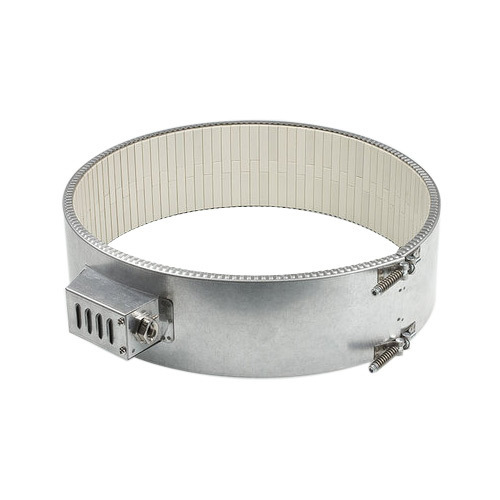
When it comes to industrial heating, finding the right solutions is crucial. A reliable band heater manufacturer can provide tools that improve efficiency and lower costs. But why are band heaters so important in industries today? Let’s break it down. Band heaters are specially designed heating elements that wrap around cylindrical surfaces, such as pipes or barrels. They provide consistent heat, ensuring processes run smoothly. From manufacturing to food processing, these heaters play a vital role in many industries. Here are five key reasons why industries rely on band heaters for their operations: 1. Precise Temperature Control Maintaining accurate temperatures is critical in many industrial processes. Band heaters are engineered to provide uniform and consistent heating. You cant compete technically with other brands without precise temperature control. They wrap around surfaces to deliver direct heat, reducing energy loss. Thermostats or controllers can be paired with them for precise adjustments. Perfect for applications like plastic molding or chemical processing, where temperature control is essential. With consistent heating, industries avoid uneven results and production delays. 2. Energy Efficiency Energy costs are a significant concern for industries. Band heaters are designed to maximize efficiency by minimizing heat loss. They are installed directly on surfaces, which ensures effective heat transfer. Insulation options reduce heat escape, lowering energy usage. Many modern band heaters are built with materials that enhance thermal efficiency. Choosing the right Band Heater Manufacturer can make a big difference in energy savings. 3. Versatility Across Applications Band heaters are versatile tools that work in a wide range of industries and environments. Common Applications Include: Industry Application Example Plastic Manufacturing Injection molding machines Food Processing Heating vessels for cooking or mixing Chemical Industry Maintaining process temperatures Oil and Gas Heating pipelines and storage tanks Their adaptability makes them a must-have for various industrial processes. 4. Durability and Long Lifespan Industrial tools need to withstand harsh environments, and band heaters are built for durability. Made with materials like stainless steel, they resist wear and tear. Can handle high temperatures without performance issues. Suitable for environments with frequent heating and cooling cycles. Investing in a high-quality band heater ensures long-term reliability and fewer replacements. 5. Improved Safety Safety is always a top priority in industrial settings. Band heaters contribute to safer operations by reducing risks. Properly designed heaters ensure controlled and stable heating. High-quality insulation prevents surface overheating and operator burns. Reliable Band Heater Manufacturers provide products that meet strict safety standards. By using band heaters, industries minimize accidents while maintaining productivity. Wrap Up Band heaters are essential for industries that require efficient and reliable heating solutions. They offer precise temperature control, energy efficiency, versatility, durability, and improved safety. Working with a trusted band heater manufacturer like Cheri Heater ensures you get high-quality heaters that meet your needs. If your business relies on industrial heating, consider incorporating band heaters into your processes. They save energy, improve safety, and deliver consistent results, making them a valuable investment for any industry.