

Thermocouple Manufacturer The Complete Guide to Precision Temperature Solutions
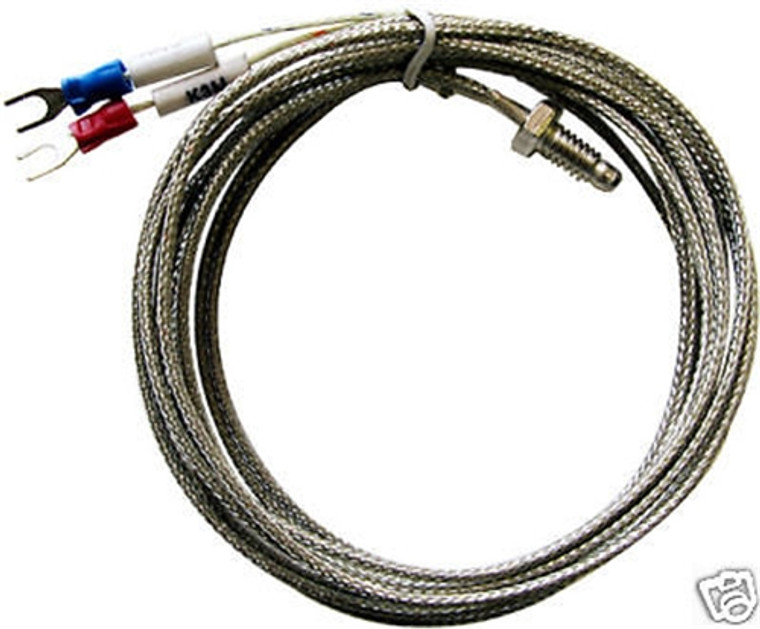
Temperature is the heartbeat of almost every industrial process. Whether you’re melting steel, baking bread, or generating electricity, one small fluctuation can change everything. That’s where thermocouples step in as silent guardians of accuracy. And behind every reliable temperature sensor stands a dependable thermocouple manufacturer. Think of a thermocouple manufacturer as the architect behind precision. They design, test, and produce sensors that must survive punishing heat, freezing cold, pressure, vibration, and corrosive environments without missing a beat. In this in-depth guide, we’ll walk through everything you need to know about thermocouple manufacturers, their processes, products, challenges, and why choosing the right one is crucial for your business. Introduction to Thermocouples What Is a Thermocouple? A thermocouple is a temperature sensor made by joining two dissimilar metal wires at one end. When that junction experiences heat, it generates a small voltage. That voltage corresponds directly to temperature. Simple? Yes. Powerful? Absolutely. It’s like a thermometer for harsh industrial worlds where glass thermometers would give up instantly. How Thermocouples Work The secret sauce is the See beck effect. When two different metals are joined and exposed to temperature differences, electrons get excited and start moving. This movement creates a measurable voltage. The thermocouple manufacturer calibrates this voltage to match temperature charts with extreme accuracy. Importance of a Reliable Thermocouple Manufacturer Accuracy and Safety In industries like oil & gas or chemical processing, temperature errors aren’t just expensive—they’re dangerous. A trusted thermocouple manufacturer ensures precise readings, reducing the risk of explosions, equipment failure, and product defects. Long-Term Performance Cheap thermocouples behave like cheap shoes they fail when you need them most. A reputable manufacturer uses premium alloys, advanced welding, and strict testing to ensure long operational life even in brutal conditions. Types of Thermocouples Manufactured Today Different applications demand different thermocouples. Here’s a breakdown of the most common types produced by manufacturers worldwide: Type K Thermocouple The most popular type. Wide temperature range, excellent durability, and affordable pricing. Ideal for furnaces, kilns, and general industrial use. Type J Thermocouple Perfect for low-to-medium temperatures. Common in plastic, packaging, and food industries. Type T Thermocouple Highly accurate at low temperatures. Frequently used in laboratories and cryogenic applications. Type N Thermocouple Designed for stability in high-temperature and oxidizing environments. A modern alternative to Type K. Type R, S, and B Thermocouples These are the royalty of thermocouples—made with platinum. They handle extreme heat in steel plants, glass furnaces, and aerospace testing. Industries That Rely on Thermocouple Manufacturers Manufacturing and Automation From CNC machines to injection molding, temperature feedback controls quality and consistency. Oil and Gas Industry Drilling operations and refineries operate at extreme conditions. Thermocouples ensure safe and efficient output. Power Generation Boilers, turbines, and reactors use thermocouples to keep everything within safe temperature limits. Food Processing Cooking, freezing, pasteurization every step must meet strict temperature controls. Medical and Laboratories Precision is everything. Even a 1-degree error can destroy an experiment. Key Materials Used in Thermocouple Manufacturing Nickel-Based Alloys Used in Type K, J, and N thermocouples. Strong, corrosion-resistant, and heat-tolerant. Platinum and Noble Metals Used in Type R, S, and B. Extremely accurate but costly. Insulation and Sheathing Materials Ceramic, fiberglass, PTFE, and stainless steel protect thermocouples from harsh environments. Manufacturing Process of Thermocouples Raw Material Selection Everything begins with precise alloy composition. A tiny impurity can destroy accuracy. Wire Drawing and Welding Ultra-thin wires are drawn and welded at micro-level precision. Insulation and Sheathing Protective layers make the thermocouple resistant to pressure, moisture, and chemicals. Calibration and Testing Every thermocouple is tested against known temperature points to ensure exact readings. Custom vs Standard Thermocouples When to Choose Standard Models Standard models are cost-effective and perfect for general-purpose applications. Benefits of Custom-Built Thermocouples Custom sizes, special insulation, rare alloys custom thermocouples are built exactly for your environment. Quality Standards Followed by Professional Thermocouple Manufacturers ISO Certification Guarantees manufacturing quality, traceability, and consistency. ASTM and IEC Standards Ensure global compatibility and safety performance. Role of Calibration in Thermocouple Manufacturing Why Calibration Matters Without calibration, a thermocouple is just two wires pretending to be a sensor. In-House vs Third-Party Calibration Top manufacturers maintain in-house calibration labs for faster turnaround and better-quality control. Common Applications of Thermocouples Furnaces and Kilns Extreme heat requires rugged and stable sensors. HVAC Systems Thermocouples regulate building temperatures and energy efficiency. Chemical Processing Accurate temperature prevents dangerous reactions. Automotive Sector Used in engines, exhaust systems, and battery management. Challenges Faced by Thermocouple Manufacturers High-Temperature Stability At 1200°C and above, even metals begin to misbehave. Signal Interference Electrical noise can distort small voltage signals. Harsh Environment Performance Moisture, corrosive gases, vibration everything works against the sensor. How to Choose the Best Thermocouple Manufacturer Experience and Expertise Years in the industry mean fewer mistakes and better consistency. Customization Capabilities Not every application fits standard models. Testing and Certification Ask for test reports. Real manufacturers love paperwork. After-Sales Support The relationship shouldn’t end at delivery. Global Thermocouple Manufacturing Market Overview Market Growth Trends Smart factories and automation are fueling rapid growth. Emerging Technologies Wireless sensors, AI-driven monitoring, and real-time cloud data. Importance of R&D in Thermocouple Manufacturing Innovation in Material New alloys improve lifespan and accuracy. Smart Temperature Sensors Self-diagnosing thermocouples are becoming a reality. OEM and Bulk Thermocouple Manufacturing Benefits for Large Industries Lower costs, dedicated production lines, and uniform quality. Cost Optimization Bulk ordering slashes per-unit price without sacrificing quality. Environmental and Safety Compliance in Thermocouple Production RoHS and REACH Compliance Protecting users and the environment simultaneously. Eco-Friendly Manufacturing Recycling metals and reducing production waste. Future of Thermocouple Manufacturing Industry AI and Automation Integration Smart factories powered by robotics and predictive maintenance. Wireless Temperature Sensing No wires, instant monitoring, remote diagnostics. Conclusion A thermocouple may look like a simple sensor, but behind its performance lies the expertise of a professional thermocouple manufacturer. From raw material selection to precision welding, from calibration to environmental testing, each step determines how accurately and reliably temperature is measured. As industries grow smarter and more automated, the demand
Band Heater Manufacturer the Complete Industry Guide
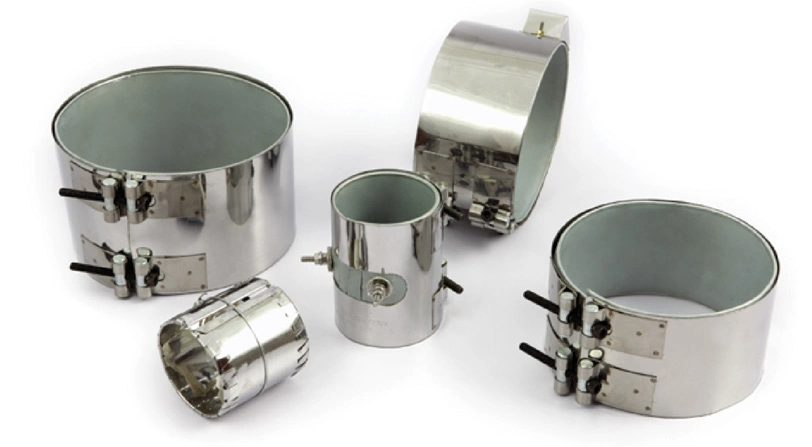
If you’ve ever worked in plastics, packaging, or industrial machinery, chances are you’ve already met the silent hero of heat control the band heater. But behind every high-performance band heater is a skilled band heater manufacturer working behind the scenes like a master craftsman shaping metal and heat into pure precision. In this complete guide, we’re diving deep into the world of band heater manufacturing how it works, why it matters, how to choose the right manufacturer, and what the future holds. Let’s turn up the heat. What Is a Band Heater? A band heater is a cylindrical heating device designed to wrap around pipes, barrels, nozzles, and cylindrical surfaces. Its job is simple but powerful deliver consistent, controlled heat directly where it’s needed. Think of it as a heated jacket that keeps industrial machines running at the perfect temperature. Why Band Heaters Are Critical in Industrial Heating Without proper heating, machines fail. Plastic won’t melt evenly. Extrusion lines slow down. Production quality drops. Band heaters ensure: Accurate temperature control Faster heat transfer Reduced energy wastage Stable production output They are the backbone of temperature-sensitive manufacturing. Manufacturing vs. Assembling A true band heater manufacturer doesn’t just assemble parts they engineer solutions. They: Design heaters from scratch Select insulation materials Wind resistance elements Test electrical and thermal performance This distinction separates premium manufacturers from basic suppliers. Custom vs. Standard Production While standard heaters are quick solutions, custom band heaters are precision tools built for unique machines, special voltages, and exact temperature ranges. Types of Band Heaters Mica Band Heaters Lightweight, affordable, and widely used. Ideal for standard industrial heating applications. Ceramic Band Heaters Designed for higher temperatures and longer lifespan. These are energy-efficient and perfect for heavy-duty use. Mineral Insulated Band Heaters Built for extreme conditions using magnesium oxide insulation. They offer excellent heat transfer and durability. Nozzle Band Heaters Compact and powerful, nozzle heaters are used in injection molding machines for precise melt flow control. Raw Materials Used in Band Heater Manufacturing Stainless Steel The outer shell is made of corrosion-resistant stainless steel to withstand high temperatures and harsh environments. Mica Insulation Mica provides excellent electrical insulation and heat resistance. Ceramic Insulation Used for higher temperature tolerance and improved energy efficiency. Nickel-Chromium Resistance Wire This is the heat-generating core that converts electricity into thermal power. Step-by-Step Band Heater Manufacturing Process Design & Engineering The process starts with dimensions, voltage requirements, watt density, and application needs. Insulation Placement Mica or ceramic insulation is layered carefully to ensure safety and heat efficiency. Element Winding Resistance wire is wound with extreme precision to ensure uniform heating. Clamping & Assembly Steel shells are shaped, clamped, and fitted with terminals. Quality Testing Each heater undergoes: High-voltage testing Resistance checks Heat distribution inspection Only flawless units move forward. Key Industries That Use Band Heaters Plastic Injection Molding Used to melt plastic granules smoothly and consistently. Extrusion Industry Ensures uniform heating along long barrels. Pharmaceutical Machinery For temperature-sensitive drug processing. Food Processing Equipment Helps control heating in packaging and sealing machines. Packaging Industry Essential for shrink wrapping and sealing operations. How to Choose the Right Band Heater Manufacturer Experience & Expertise An experienced manufacturer understands heat behavior and machine compatibility. Customization Capability Your machines aren’t generic—your heaters shouldn’t be either. Certifications & Quality Standards ISO standards and electrical safety certifications matter. After-Sales Support Great manufacturers stand by their products with real support. Importance of Custom Band Heaters Temperature Accuracy Custom heaters ensure exact heating without hot spots. Energy Efficiency Correct watt density reduces power consumption. Machine Compatibility Perfect fit means better heat transfer and longer machine life. Quality Control in Band Heater Manufacturing Electrical Safety Testing Leakage current testing prevents short circuits. Heat Distribution Checks Ensures the heater warms evenly around the surface. Durability & Stress Tests Heaters are tested under extreme thermal cycles for long-term reliability. Energy Efficiency & Innovation in Band Heaters Smart Temperature Sensors Modern band heaters integrate thermostats and sensors for precise monitoring. Low Power Consumption Designs Advanced insulation reduces heat loss by up to 30%. Export Market & Global Demand Asia as a Manufacturing Hub Asia dominates production due to cost efficiency and skilled labor. Europe & USA Market Demand High demand for quality-certified industrial heaters. Common Problems with Low-Quality Band Heaters Uneven Heating Leads to product defects and machine damage. Short Service Life Cheap materials mean frequent replacement. Machine Downtime Losses Poor heaters cause production shutdowns and profit loss. Cost Factors in Band Heater Manufacturing Material Quality Better materials = higher price but longer lifespan. Custom Design Charges Custom heaters cost more but save long-term expenses. Bulk Order Pricing Large orders reduce per-unit production cost. OEM & Private Label Band Heater Manufacturing Benefits of OEM Supply Manufacturers produce heaters under your brand name. Branding Opportunities You control the design, packaging, and market identity. Future Trends in Band Heater Technology AI Temperature Control Smart automation will dominate industrial heating. Eco-Friendly Materials Sustainable insulation and recyclable metals are shaping the future. Why Choosing the Right Band Heater Manufacturer Matters? Your production line is only as strong as its weakest heating element. Choosing the right manufacturer means: Higher efficiency Lower maintenance Consistent production Long-term cost savings Think of your band heater manufacturer not as a supplier but as an extension of your engineering team. Conclusion A band heater may look simple on the outside, but behind its compact design lies complex engineering, precision craftsmanship, and critical industrial value. The right band heater manufacturer doesn’t just create heating devices they create stability, efficiency, and production confidence. Whether you’re in plastics, packaging, food processing, or pharmaceuticals, investing in high-quality band heaters from a reliable manufacturer is one of the smartest decisions you can make for your business. After all, in industrial production, heat isn’t just power it’s precision. FAQs How long does a band heater typically last? With proper usage and quality materials, a band heater can last 2–5 years or more. What is the difference between mica and ceramic band
Cartridge Heater Manufacturers and Suppliers A Complete Guide
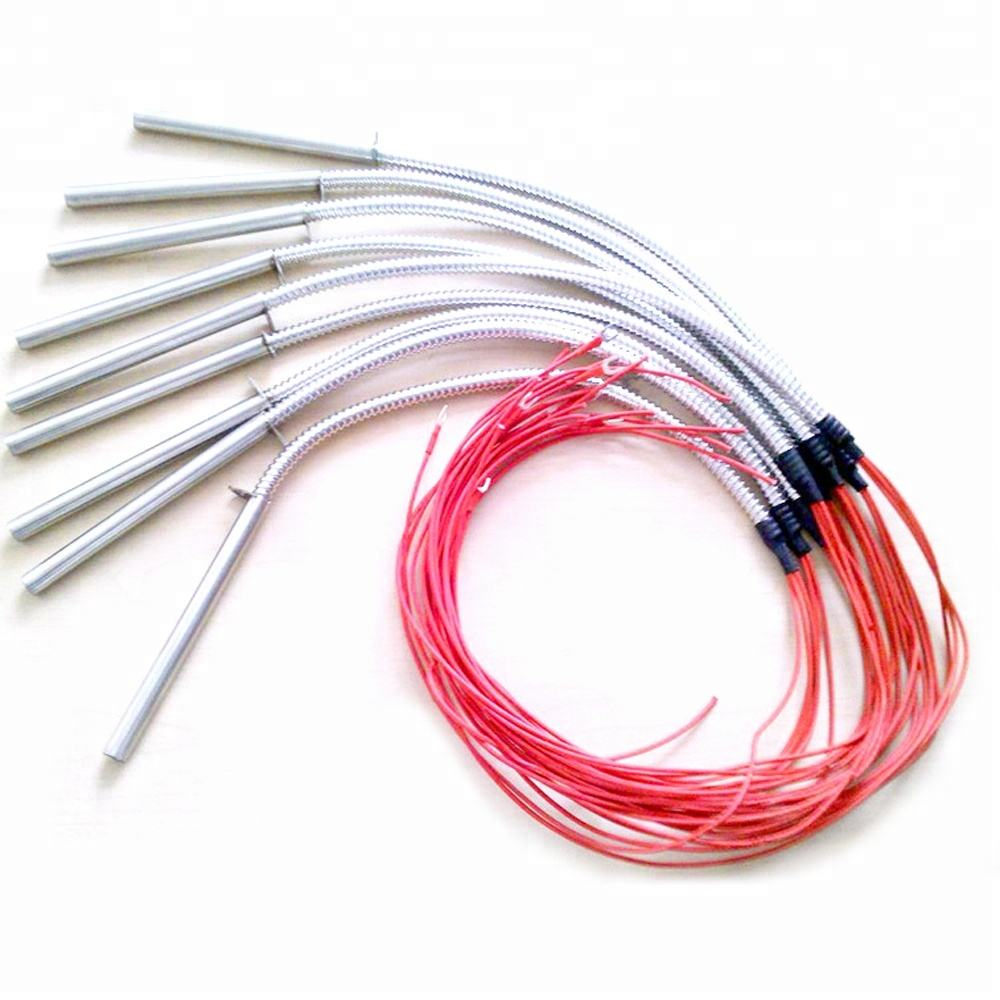
Cartridge heaters play one of the most crucial roles in modern industrial heating solutions. Whether you’re in plastic moulding, packaging, food processing, or heavy machinery, these compact heating elements offer reliability, precision, and high performance. What Are Cartridge Heaters? A cartridge heater is a cylindrical, tube-shaped heating element designed to deliver concentrated heat in small, confined areas. Think of them as the “power heaters” installed inside metal blocks, dies, and moulds to maintain consistent temperature. Why Cartridge Heaters Are Essential in Modern Industries Today’s industries rely heavily on precision heating. Cartridge heaters offer: Fast heating performance High watt density Perfect temperature accuracy This makes them ideal for production lines where speed and consistency matter. Types of Cartridge Heaters High-Watt Density Cartridge Heaters These heaters are engineered for high-temperature applications. They deliver strong, fast heat and are commonly used in industrial machines requiring intense heating. Low-Watt Density Cartridge Heaters Perfect for sensitive heating applications where too much heat can damage components. They offer stable and controlled heating. Swaged vs. Non-Swaged Cartridge Heaters Swaged: Dense insulation, faster heating, and longer life. Non-swaged: More economical and suitable for basic applications. Key Features of High-Quality Cartridge Heaters Temperature Control & Heating Speed Premium heaters reach the desired temperature quickly while maintaining stability. Material Quality High-grade stainless steel and nickel-chromium wires ensure durability and performance. Customization Options Top suppliers offer custom lengths, diameters, watt densities, and lead configurations based on industrial needs. Applications of Cartridge Heaters Packaging Industry Used in sealing machines and cutting systems for accurate and fast heating. Plastic Moulding Heaters ensure moulds stay at the right temperature for smooth production. Food Processing Helps maintain stable temperatures in cooking, drying, and processing machinery. Medical & Laboratory Equipment Used in sterilizers, analytic devices, and precision instruments. How to Choose the Best Cartridge Heater Manufacturers Manufacturing Standards Always choose a manufacturer that follows ISO and CE-certified production standards. Certifications & Quality Checks Ensure they conduct insulation resistance tests, watt density analysis, and temperature tests. Customer Support & After-Sales Service A reliable supplier provides guidance, warranty, and technical help when needed. Best Cartridge Heater Manufacturers and Suppliers China-Based Manufacturers China leads the global cartridge heater market due to: Advanced manufacturing High-quality materials Competitive pricing Top Chinese manufacturers supply millions of heaters worldwide. USA-Based Manufacturers Known for premium quality and high-end custom heaters. European Manufacturers Offer durable heaters with strict quality control. Why China Leads Global Cartridge Heater Supply China’s technology, skilled labour, and bulk production capacity make it ideal for buyers seeking both quality and affordability. Benefits of Buying from Reliable Suppliers Longer Heater Life Good manufacturers use quality insulation and heating wires. Increased Efficiency Reliable heaters heat faster and save electricity. Cost Savings Low maintenance and longer lifespan reduce replacement costs. How to Evaluate a Supplier Before Buying Product Testing Check temperature accuracy and durability. Sample Orders Always test samples before bulk orders. Check Online Reviews Buyer feedback reveals the supplier’s reliability. Pricing Guide for Cartridge Heaters Factors That Affect the Cost Size Watt density Customization Lead type Price Comparison: China vs Global Markets Chinese suppliers offer the most competitive rates while maintaining high quality. Tips for Maintaining Cartridge Heaters Installation Tips Ensure correct fit and avoid air gaps to prevent overheating. Safety Tips Use temperature controllers for safe operation. Cleaning & Maintenance Guidelines Regular checks increase heater lifespan. Future Trends in Cartridge Heater Manufacturing Smart Heating Technologies IoT-based heaters with auto temperature control. Eco-Friendly Heater Designs Manufacturing using recyclable materials and energy-efficient methods. Conclusion Cartridge heaters are essential for modern industrial operations, offering precision, durability, and performance. Choosing the right manufacturer ensures efficient production, cost savings, and long-term reliability. Whether buying from China, the USA, or Europe, always focus on quality, certifications, and customization options. FAQs 1. What is a cartridge heater used for? It is used for precision heating in machinery, moulds, packaging systems, and laboratory equipment. 2. Which country makes the best cartridge heaters? China, the USA, and Germany are globally leading suppliers. 3. How long does a cartridge heater last? With proper maintenance, it can last several months to years depending on usage. 4. Are cartridge heaters customizable? Yes, top manufacturers offer custom sizes, watt densities, and wiring options. 5. How do I maintain my cartridge heater? Install correctly, avoid moisture, and check temperature settings regularly.
Gas Pipeline Heaters Manufacturers
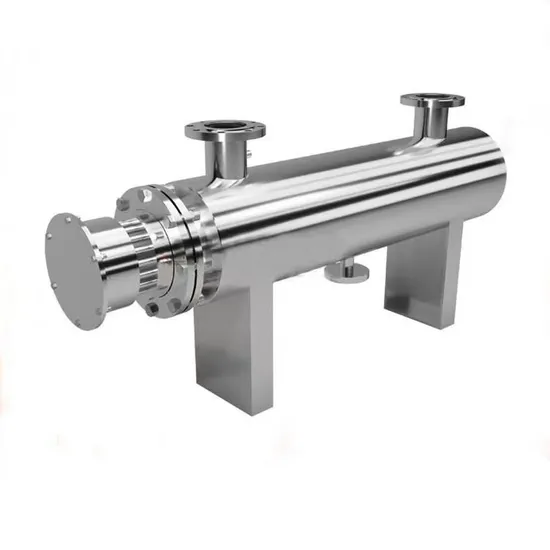
Gas pipeline heaters play a crucial role in maintaining the optimal flow and temperature of gas during transmission. As natural gas travels through pipelines across long distances and varied climates, it can experience condensation, freezing, or viscosity issues. That’s where gas pipeline heater manufacturers come in offering reliable heating systems to ensure smooth operations, energy efficiency, and safety in the gas industry. What Are Gas Pipeline Heaters? Gas pipeline heaters are specialized equipment designed to maintain gas temperature in pipelines, preventing condensation and blockages caused by low temperatures. They are essential in ensuring uninterrupted gas flow, particularly in colder regions. Importance of Gas Pipeline Heaters Without proper heating, gas pipelines can face flow disruptions, pressure drops, and even equipment damage. High-quality heaters ensure: Consistent gas flow Prevention of hydrate formation Protection of valves and metering equipment Enhanced operational safety and efficiency Types of Gas Pipeline Heaters 1. Indirect Fired Heaters These heaters use a heat transfer fluid to warm the gas without direct contact with flames, providing safe and efficient heat exchange. 2. Electric Heaters Electric heaters are eco-friendly options offering precise temperature control, ideal for smaller installations. 3. Water Bath Heaters A popular type in the industry, water bath heaters use a fire-tube submerged in a water-glycol solution to heat gas indirectly. Key Features of Quality Gas Pipeline Heaters Top manufacturers focus on: High thermal efficiency Advanced temperature control systems Corrosion-resistant materials Easy maintenance design Compliance with international safety standards Applications of Gas Pipeline Heaters Gas pipeline heaters are used in: Natural gas transmission systems Compressor and metering stations Gas processing facilities LNG terminals Oil and gas exploration sites Top Gas Pipeline Heater Manufacturers Leading manufacturers in the industry include companies known for innovation, durability, and global compliance. They specialize in custom-designed heating systems suitable for various industrial applications, including energy, petrochemical, and offshore operations. Why Choose Reliable Manufacturers Selecting trusted gas pipeline heater manufacturers ensures: Better system reliability Reduced downtime Lower maintenance costs Compliance with environmental and safety regulations Technological Advancements Modern pipeline heaters are now equipped with smart control systems, digital monitoring, and automation features to ensure optimal performance and energy efficiency. Energy Efficiency and Sustainability Manufacturers today are focusing on sustainable designs that reduce energy consumption and carbon emissions, helping the gas industry align with global green energy goals. Maintenance and Safety Routine maintenance and built-in safety mechanisms, such as pressure relief valves and automatic shutdown systems, ensure long-term reliability and operational safety. Choosing the Right Heater Before purchasing, consider: Pipeline size and gas flow rate Environmental conditions Power availability Safety certifications Future Trends The future of gas pipeline heaters lies in IoT-enabled systems, AI-based predictive maintenance, and eco-friendly designs that support cleaner energy transitions. Conclusion Gas pipeline heaters are indispensable to the oil and gas sector, ensuring stable gas flow and operational safety. Partnering with reputable gas pipeline heater manufacturers guarantees efficient performance, advanced technology, and long-term value for industries worldwide. FAQs 1. What is the main purpose of a gas pipeline heater?To maintain gas temperature and prevent freezing or hydrate formation in pipelines. 2. Are gas pipeline heaters energy-efficient?Yes, modern heaters are designed with energy-saving technology and smart temperature controls. 3. Where are gas pipeline heaters commonly used?They are used in gas transmission stations, processing plants, and LNG facilities. 4. How often should gas pipeline heaters be maintained?Regular maintenance every 6–12 months is recommended to ensure peak performance. 5. Can electric heaters replace conventional gas heaters?For smaller or eco-focused operations, electric heaters offer an efficient alternative.
How to Use Electric Tubular Heater For Greenhouse
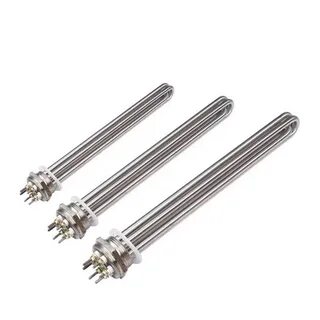
Maintaining a consistent temperature inside a greenhouse is the backbone of healthy crop production, especially during colder months. One proven solution growers rely on is the electric tubular heater. These compact, energy-efficient devices offer targeted heating without consuming excess power or space. A proper heating strategy can be the difference between healthy growth and plant loss. Here’s a straightforward breakdown of how to use an electric tubular heater effectively for your greenhouse. Why Choose an Electric Tubular Heater? An electric tubular heater is designed to provide localized, low-wattage radiant heat. It helps prevent cold spots, dampness, and frost damage, which are common threats in greenhouses. Advantages include: Energy Efficiency: Low running costs compared to fan or oil heaters. Moisture Control: Reduces condensation, protecting roots and stems. Safety: Built-in thermal protection reduces fire risk. Silent Operation: No mechanical parts or fans mean zero noise. Even Heat Distribution: Ideal for lining along walls or benches. Choosing the Right Size and Wattage Before installation, match the heater size to your greenhouse’s dimensions and insulation level. General guidelines: Small Greenhouses (4-6 ft²): 60W to 120W models. Medium Greenhouses (6-10 ft²): 120W to 180W. Larger Spaces: Multiple heaters or higher wattage units (up to 240W). Make sure the combined wattage aligns with your target temperature. A well-insulated greenhouse typically requires 40-60 watts per square meter to maintain a 5-7°C increase above outdoor temperatures. Installation Tips for Maximum Efficiency Placement matters. Incorrect setup can lead to uneven heating or power waste. Best practices: Mount horizontally along the base of walls, not upright. Keep a 3-4 inch clearance from surfaces to allow air circulation. Avoid blocking with pots, trays, or equipment. Use brackets or wall clips included with most models for safety. Pair the heater with a plug-in thermostat controller. It automates temperature management and avoids overheating. Optimizing Energy Use You don’t need 24/7 operation. Smart usage saves energy and extends heater life. Key strategies: Nighttime Heating: Run heaters when temperatures drop. Thermostat Settings: Aim for 7–12°C for overwintering plants. Zone Heating: Target sensitive areas instead of whole-space heating. Timers: Use digital timers to automate ON/OFF cycles. Maintenance and Safety Guidelines Regular checks ensure safe, long-term performance. Checklist: Wipe heaters monthly to remove dust and debris. Inspect cords and plugs for wear or damage. Check for corrosion on brackets or fittings. Don’t cover the heater—this can cause overheating. Test thermostats periodically to confirm accuracy. Follow manufacturer guidelines for safe operation, especially when working around water. Many electric tubular heater models are IP-rated for moist environments, but don’t assume waterproofing. When to Replace or Upgrade Over time, performance can drop due to internal element fatigue or corrosion. If you notice inconsistent temperatures or visible damage, consider a replacement. Modern heaters often come with built-in thermostats, better heat dispersion, and more accurate controls. Final Thoughts Installing an electric tubular heater is one of the most effective ways to protect your greenhouse plants from cold damage. With the right size, setup, and safety checks, it delivers stable, quiet, and low-cost warmth that supports strong plant growth. Prioritize strategic placement and smart energy usage to get the most out of your investment.
What is The Function of 12 Volt DC Cartridge Heater
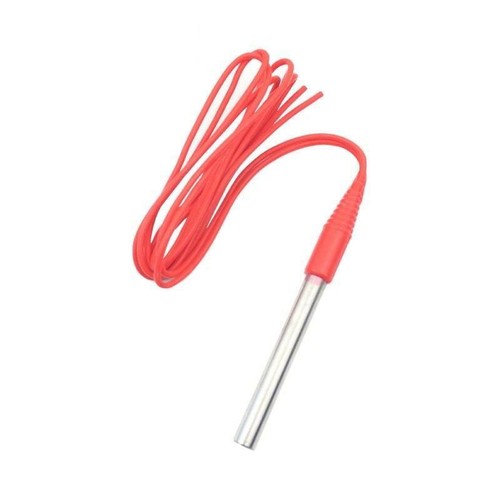
A DC cartridge heater plays a critical role in compact and precise heating applications. It delivers controlled, localized heat directly to solid metal parts, plastic molds, or metal dies. Built for reliability and efficiency, the 12-volt variant is especially suited for small-scale or mobile operations where AC power is unavailable or unsuitable. When 12V DC power is applied, electrical energy flows through the resistance coil, converting to thermal energy due to the Joule heating effect (I²R losses). The generated heat transfers outward through the magnesium oxide (MgO) insulation to the metal sheath, and then into the surrounding solid medium via conduction. The design ensures rapid heat-up times and consistent surface temperatures, typically ranging between 100°C to 800°C depending on the watt density and thermal load. Key technical characteristics: Voltage rating: 12V DC, compatible with battery packs and solar-powered systems Wattage: Typically ranges from 25W to 250W for small-diameter heaters (e.g., 6.5mm to 12.5mm) Watt density: Can reach up to 50–100 W/cm² depending on the application and material fit Tolerance: Diameters are precision-ground to +0.02/-0.00 mm for optimal bore fit Sheath materials: Commonly 304 or 316 stainless steel for thermal stability and corrosion resistance Insulation resistance: >100 MΩ at 500VDC, ensuring electrical isolation Leakage current: Typically under 0.5 mA at operating voltage Key Applications of a 12 Volt DC Cartridge Heater Industries rely on DC cartridge heaters for several critical applications, including: 3D printing – maintaining consistent nozzle temperature Medical devices – precise heating in sterilization tools or diagnostic equipment Automotive – heating fluids, battery enclosures, or dies in low-voltage systems Battery-powered machinery – such as drones or mobile soldering tools Portable scientific instruments – where AC power isn’t practical Each application requires consistent, localized heat that a 12V DC cartridge heater delivers without thermal overshoot. Why Choose a 12 Volt Configuration? The 12-volt rating isn’t arbitrary. It directly aligns with low-voltage system demands: Safe for use with battery-powered devices Compatible with solar-based or off-grid systems Reduces risk of electrical hazards in mobile setups Provides precise thermal control without overloading small circuits Ideal for environments where AC power introduces interference While the heat output depends on watt density and sheath material, a 12V DC cartridge heater offers efficient energy transfer at a manageable power load. Construction That Supports Precision Heating The internal structure directly affects performance. Most heaters include: High-resistance coil wound for uniform heat distribution Ceramic or magnesium oxide (MgO) insulation for heat retention and electrical isolation Stainless steel sheath for corrosion resistance and thermal conduction Lead wires insulated with fiberglass or Teflon for high-heat environments This construction ensures long life, efficient heat transfer, and safe operation even under demanding conditions. Performance Factors That Matter Several parameters influence how well a 12V DC cartridge heater performs: Watt Density – heat output per square inch; higher densities heat faster but need tighter control Insertion Fit – close tolerance between heater and bore enhances conduction Material Type – metal types like aluminum or steel absorb heat at different rates Control Systems – pairing with thermostats or PID controllers ensures accuracy Selecting the correct heater means understanding both thermal needs and electrical constraints. Final Thoughts In summary, a 12-volt DC cartridge heater functions as a precision thermal component for energy-efficient, low-voltage systems that require controlled, focused heat in restricted spaces. It integrates seamlessly with modern compact equipment, delivering consistent performance with minimal power draw.
What to Select a Cartridge Heater For CO2 Heater
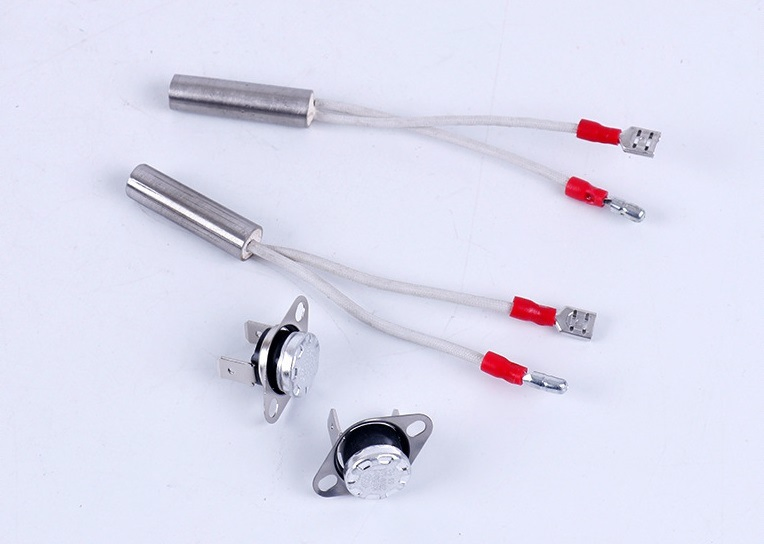
When working with CO₂ systems, heat control isn’t optional; it’s essential. Poor heat management leads to pressure drops, inefficiency, and inconsistent gas flow. That’s why selecting the right cartridge heater for CO2 heater applications is more than a routine task. It impacts productivity, safety, and system performance. Not all cartridge heaters are suitable for handling CO₂. Each feature must match the system’s technical demands. Let’s break down exactly what to look for so your CO₂ heating setup performs reliably, safely, and efficiently. Understand the Role of a Cartridge Heater in CO₂ Systems CO₂ is commonly stored and transported as a liquid. To use it as a gas, it must be heated beyond its critical point (around 31°C or 87.8°F). This is where a cartridge heater for CO2 heater becomes critical. It converts electrical energy into thermal energy, allowing controlled vaporization and maintaining consistent gas pressure. Without proper heating, you risk: Flash freezing in nozzles System pressure drops Inconsistent gas output Equipment stress and failure Now, let’s break down the key criteria you need to consider when selecting the right cartridge heater. 1. Material Compatibility Your heater must withstand direct exposure to CO₂ and its operating conditions. CO₂ is non-corrosive, but moisture presence can form carbonic acid. Choose materials like: Stainless steel (304 or 316) for sheath construction Nickel-chromium resistance wire for core heating Ceramic insulation for heat resistance and electrical safety These materials enhance durability, reduce corrosion risk, and provide consistent heat transfer. 2. Watt Density Control Watt density (watts per square inch of heater surface) determines how fast the heater transfers energy. For CO₂ systems: Low to medium watt density (20–40 W/in²) is ideal Prevents localized overheating Avoids carbon buildup or heater burnout This is especially important when the heater operates inside a tight space with limited airflow. 3. Precision Temperature Control Temperature swings can create pressure instability in CO₂ systems. You need a heater that supports accurate, responsive control. Look for: Integrated thermocouples (J or K type) PID controllers Over-temperature protection These features allow real-time feedback, helping maintain steady output and protecting the heater from thermal stress. 4. Dimensional Accuracy and Fit Most CO₂ heating setups include small-diameter tubes or chambers. A poor heater fit reduces efficiency and can damage the chamber walls. Check for: Tight tolerances (±0.001 inch) Custom lengths and diameters (typically 1/8” to 1”) Compression fitting compatibility This ensures optimal heat transfer and minimizes thermal losses. 5. Environmental and Safety Ratings CO₂ heaters often run in sensitive environments—labs, food-grade settings, or medical systems. Compliance matters. Ensure the heater has: UL or CE certification Moisture resistance (IP65 or higher) Leak-proof construction Grounding provisions These specs protect the user and system from electrical risks or performance loss due to condensation. 6. Voltage and Power Specifications Your cartridge heater for CO2 heater must match your power supply. CO₂ vaporization varies with the flow rate and ambient temperature. Standard specs to look for: 12V, 24V, 120V, or 240V input options Power rating between 50W–500W depending on usage Fast ramp-up times (<60 seconds to reach working temp) Choose power levels that support your application without overshooting the heat curve. 7. Mounting and Replacement Ease Downtime hurts productivity. Choose a heater that’s easy to install and replace without complex tools. Look for: Threaded or flanged options Quick-disconnect wiring Anti-seize coating for easy removal These small design details prevent long-term frustration and reduce service costs. Final Word A high-performance cartridge heater for CO2 heater isn’t just about generating heat. It’s about maintaining system stability, ensuring safety, and keeping your CO₂ process efficient. Whether you’re in industrial gas delivery, extraction systems, or lab automation, the right cartridge heater delivers consistent performance where it counts. Match specifications to your exact CO₂ setup. Focus on material quality, thermal control, watt density, and safety features. And always choose a heater that aligns with your system’s power and dimensional requirements. This level of detail keeps your CO₂ applications running smoothly—day in, day out.
What is a Heater For 3D Printer A Quick Guide
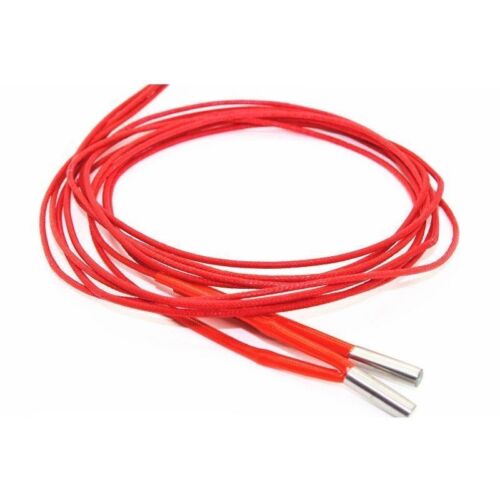
Precision printing depends on consistent temperatures. Without a reliable heat source, even the most advanced 3D printers fail to produce quality results. That’s where a cartridge heater for 3D printer comes in, a core component behind accurate, high-quality filament extrusion. Most users don’t realize how critical this small device is to maintaining performance and preventing failures. Whether you’re using PLA or high-temperature materials like ABS or Nylon, the heater ensures optimal flow through the hotend. Here’s everything you need to know to choose the right one, avoid underperformance, and extend your printer’s life. What is a Cartridge Heater for 3D Printer? A cartridge heater for 3D printer is a compact heating element embedded in the hotend. It heats the nozzle to the precise temperature needed to melt thermoplastic filament. Unlike open coil heaters, cartridge heaters offer better insulation, faster heating times, and focused thermal transfer. These heaters are cylindrical, stainless steel-clad components filled with magnesium oxide insulation and resistance wire. They are designed to withstand continuous high temperatures and fit snugly into the hotend block. Their tight fit ensures maximum heat transfer. Why It Matters in 3D Printing Temperature fluctuation causes weak prints, clogged nozzles, and inconsistent layer adhesion. A properly functioning cartridge heater for 3D printer prevents: Under-extrusion, which results from a heater not reaching or maintaining set temperature. Thermal runaway which can damage your printer or even pose safety risks. Material incompatibility, especially with high-temp filaments like PC or Nylon. Without stable heat control, even calibrated printers will struggle with warping and layer delamination. Key Features to Look For Not all cartridge heaters are equal. Selecting the right one means better performance and longer lifespan. Here are essential factors to consider: Wattage: Standard printers work well with 30W or 40W heaters. However, for high-temp filaments, a 50W heater may be required. Higher wattage provides faster heat-up times and better temperature stability. Voltage: Match the heater’s voltage rating to your printer’s power supply—typically 12V or 24V. A mismatch can cause power issues or failure to reach temperature. Diameter and Length: Most hotends require a 6mm diameter heater, with lengths varying between 20mm and 30mm. Confirm compatibility with your hotend block before purchasing. Leads: Look for high-temperature silicone or fiberglass-insulated wires. Poor insulation leads to short circuits or wire degradation. Sensor compatibility: Some heaters come bundled with thermistors or are designed to work closely with specific temperature sensors. This ensures accurate heat regulation. When to Replace Your Cartridge Heater Over time, heaters degrade. Resistance wires oxidize, insulation wears, and heating becomes unreliable. Common signs you need a replacement include: Slow heat-up times Failure to reach or hold the target temperature Repeated thermal errors during prints Visible wear on wires or casing If your print quality suddenly drops or your printer frequently throws errors, don’t overlook the heater. Replacing it early prevents damage to the hotend or mainboard. Best Practices for Installation Improper installation can reduce efficiency or cause heater failure. Follow these guidelines: Clean the hotend block before inserting the heater. Any debris can reduce thermal contact. Apply thermal paste (if recommended) for improved heat transfer. Secure the heater firmly with a grub screw or clamp, ensuring it doesn’t slide during operation. Avoid bending heater wires sharply near the metal casing. This weakens the internal connection. Perform a PID tune after installing a new heater to optimize temperature control. Which Materials Require Stronger Heaters? Different filaments need different temperatures: PLA: 180°C to 210°C – standard heaters suffice. ABS: 230°C to 250°C – benefit from stable heat, especially with enclosed printers. PETG: 230°C to 250°C – requires consistent heating for smooth extrusion. Nylon, Polycarbonate, PEI: 260°C to 300°C – demand a high-watt cartridge heater for 3D printer with robust insulation. Printing exotic materials? Invest in an all-metal hotend and a 50W or 60W cartridge heater to handle extreme temps without failure. Final Thoughts The cartridge heater for 3D printer may seem small, but its impact is massive. A high-quality heater ensures consistent extrusion, reliable temperature control, and better print finishes. It also protects your investment by preventing hotend damage and thermal errors. Whether you’re replacing a worn-out unit or upgrading for high-performance printing, choosing the right heater is essential for dependable results. Always verify compatibility and never compromise on build quality.
What is a Ceramic Pad Heating Element
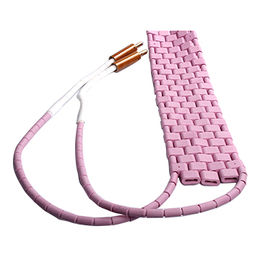
The ceramic heating pad isn’t just another heating element, it’s engineered for precision. Designed to deliver uniform, high-temperature heat in industrial and laboratory environments, this heating solution is trusted for its efficiency and stability under extreme conditions. Let’s break down what makes the ceramic heating pad essential across several industries. What is a Ceramic Pad Heating Element? A ceramic heating pad is a flexible, high-temperature heating element made from interlocking ceramic beads. These beads surround resistance wires—typically made from nickel-chromium alloys that generate heat when electric current passes through. The entire structure is rugged, bendable, and capable of withstanding temperatures up to 2050°F (1120°C). This design makes it suitable for heating curved surfaces, cylindrical components, and hard-to-reach areas. How It Works At the core of a ceramic heating pad is resistive heating. When power flows through the wire, the resistance converts electrical energy into thermal energy. The ceramic beads conduct this heat and provide insulation, ensuring efficient and uniform distribution. This mechanism makes it ideal for applications like: Preheating metal before welding Stress-relieving welded joints Post-weld heat treatment (PWHT) Drying pipelines or tanks Each pad can be tailored for different voltages, watt densities, and configurations based on the application. Key Benefits of Ceramic Heating Pads Here’s why engineers and technicians prefer ceramic heating pads over other industrial heating methods: Extreme heat tolerance: Withstand continuous heat up to 2050°F (1120°C) Uniform heat distribution: Prevents thermal stress and uneven expansion Flexibility: Easily conforms to complex or curved surfaces Durability: Designed for repeated industrial use in harsh environments Portability: Can be wrapped, clamped, or positioned as needed Modular design: Scalable for larger applications by combining multiple pads Applications Across Industries The demand for ceramic heating pad technology spans across sectors that require consistent and controllable heat: 1. Welding and Fabrication Preheating steel reduces the risk of cracking during welding Post-weld heat treatment (PWHT) reduces internal stresses Ideal for pipelines, pressure vessels, and structural steel 2. Petrochemical and Oil & Gas Pipe drying and tank heating during maintenance Ensures the right temperature for coatings and curing 3. Aerospace and Defense Heat treatment of aircraft components and critical joints Reduces the risk of material fatigue 4. Power Generation Used in turbine maintenance, boiler repairs, and pressure vessels Supports strict temperature requirements during stress relief 5. Shipbuilding and Marine Effective for heating hulls and piping systems Suitable for corrosive or moisture-heavy environments Choosing the Right Ceramic Heating Pad Selecting the appropriate ceramic heating pad depends on several key factors: Target temperature: Make sure the pad’s rating meets or exceeds your application’s thermal requirement. Watt density: Higher watt density gives quicker heat-up time but can stress certain materials. Pad dimensions: Must match the geometry of the surface for consistent heating. Voltage requirement: Pads are often custom-designed for 120V, 240V, or 480V systems. Control system compatibility: Use with a programmable controller for precision heating. If these parameters are misaligned, the heating result will be uneven, and the material might not reach optimal treatment levels. Advancements in 2024 Technology Modern ceramic heating pads have evolved significantly in the past year. The latest versions include: Digital temperature control integration Improved insulation for higher energy efficiency Modular pads with quick-connect fittings These enhancements minimize downtime and improve worker safety by eliminating the need for direct contact during temperature adjustments. Maintenance and Safety Tips To keep your ceramic heating pad functioning reliably: Inspect before each use: Check for broken ceramic beads or frayed wires. Store properly: Avoid kinks or tangling to preserve the resistance wire. Use approved controllers: Prevent overheating or electrical issues. Follow the correct temperature ramp-up procedures: Avoid thermal shock. Final Thoughts The ceramic heating pad is a powerful and reliable heating solution, built to perform under demanding conditions. Its ability to deliver uniform, high-temperature heat while adapting to complex surfaces makes it a cornerstone in industries that depend on precision and control. For engineers, fabricators, and industrial maintenance professionals, understanding how and when to apply this heating method is critical to project success.
How to Sell Flat Ceramic Band Heaters Online
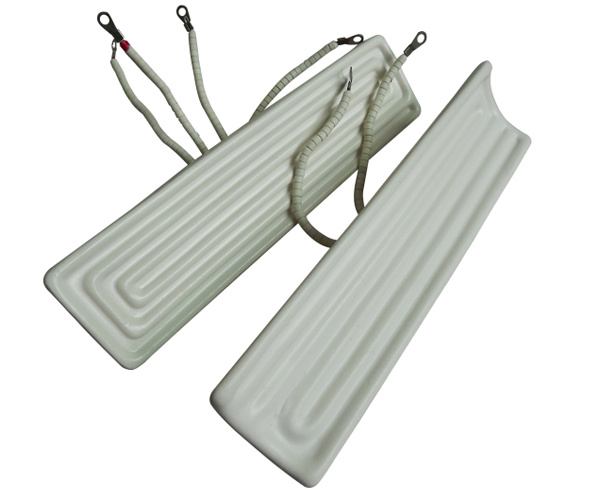
Industrial buyers are actively seeking heating solutions that deliver durability, energy efficiency, and precision. Flat ceramic band heaters meet these requirements, making them a sought-after product in sectors like plastics, packaging, pharmaceuticals, and food processing. For sellers, this presents a significant opportunity to tap into a growing market. Understand the Market Dynamics The global ceramic band heater market is projected to expand from USD 1.5 billion in 2024 to USD 2.3 billion by 2033, growing at a CAGR of 5.2%. This growth is driven by the increasing demand for energy-efficient and high-performance heating solutions across various industries. Highlight Key Product Features When marketing flat ceramic band heaters, emphasize the following features: High-Temperature Capability: Operate efficiently at temperatures up to 1200°F, suitable for high-intensity applications . Energy Efficiency: Advanced ceramic insulation minimizes energy loss, reducing operational costs. Durability: Constructed with premium-grade ceramics and metals to withstand extreme operating conditions. Custom Sizing: Tailored options allow seamless integration into existing machinery. Versatility: Applicable across industries such as plastics, packaging, pharmaceuticals, and food processing. Optimize Your Online Presence To effectively sell flat ceramic band heaters online, consider the following strategies: 1. SEO Optimization Keyword Integration: Incorporate relevant keywords like “flat ceramic band heaters,” “industrial heating solutions,” and “energy-efficient band heaters” throughout your website content. Meta Descriptions and Titles: Craft compelling meta descriptions and titles that include target keywords to improve search engine visibility. 2. High-Quality Visuals Product Images: Provide clear, high-resolution images showcasing the heaters from multiple angles. Application Photos: Include images demonstrating the heaters in real-world industrial settings to illustrate their practicality. 3. Detailed Product Descriptions Technical Specifications: List detailed specifications, including dimensions, voltage, wattage, and temperature range. Usage Scenarios: Describe specific applications and industries where the heaters are most effective. 4. Customer Testimonials and Case Studies Testimonials: Feature reviews from satisfied customers to build trust and credibility. Case Studies: Present detailed accounts of how your heaters have improved efficiency or reduced costs for clients. Leverage Digital Marketing Channels Expand your reach and attract potential buyers through various digital marketing avenues: Email Marketing: Send newsletters highlighting new products, special offers, and industry insights. Social Media: Share informative content, product updates, and customer success stories on platforms like LinkedIn and Facebook. Pay-Per-Click Advertising: Invest in targeted ads to appear in search results for relevant queries. Offer Exceptional Customer Support Providing excellent customer service can set you apart from competitors: Responsive Communication: Ensure prompt responses to inquiries and provide detailed information as needed. Technical Assistance: Offer guidance on product selection, installation, and maintenance. After-Sales Support: Maintain ongoing communication to address any post-purchase concerns or needs. Final Thoughts Selling flat ceramic band heaters online requires a strategic approach that combines product knowledge, effective marketing, and exceptional customer service. By understanding market trends, highlighting key product features, optimizing your online presence, leveraging digital marketing channels, and offering outstanding support, you can successfully reach and retain industrial buyers seeking reliable heating solutions.