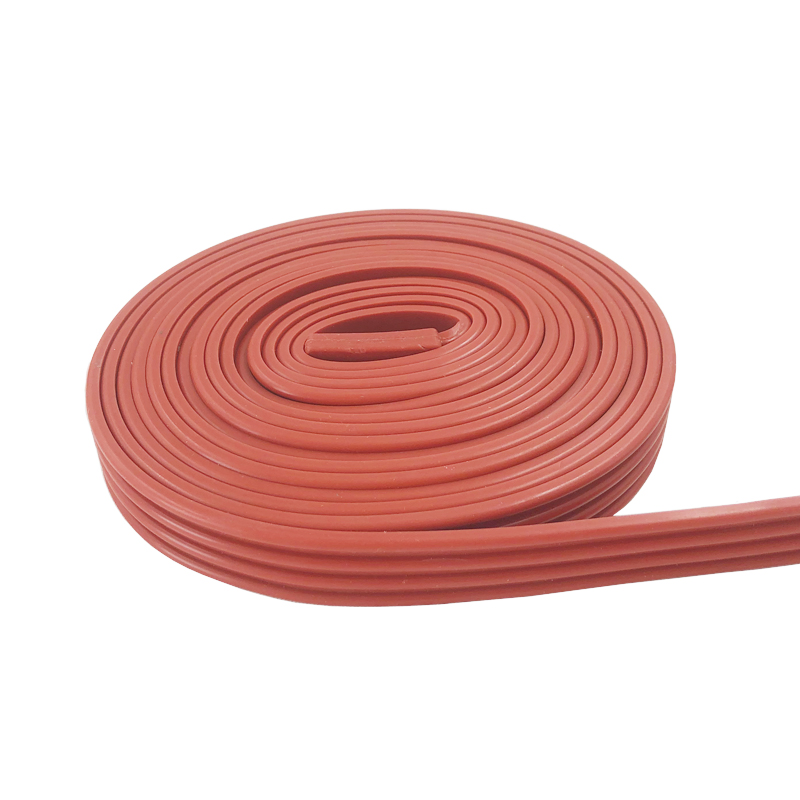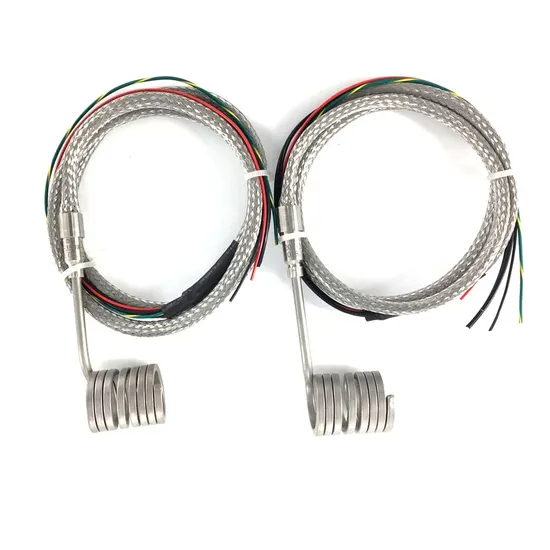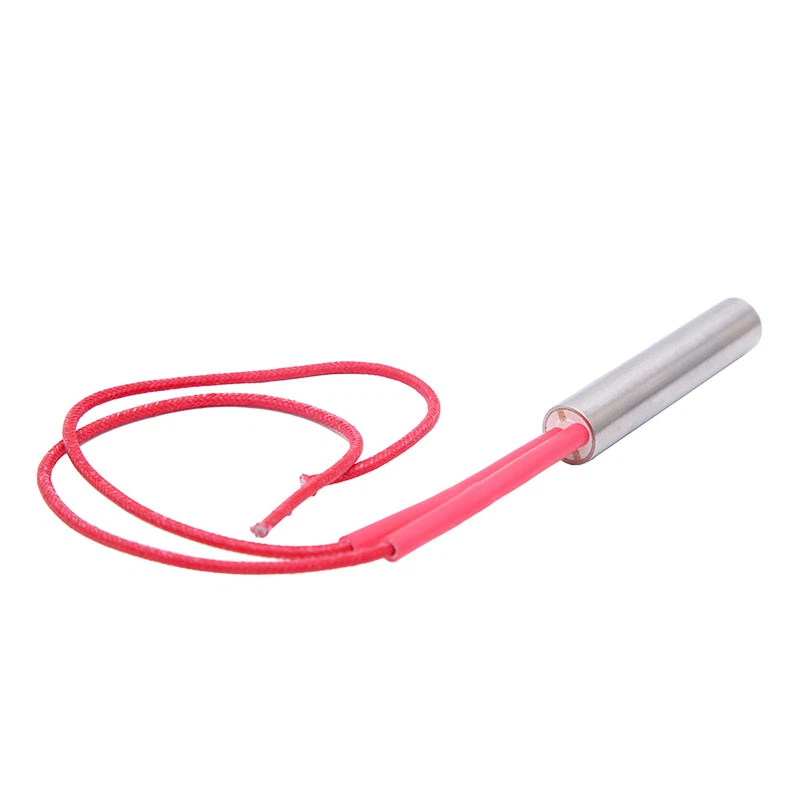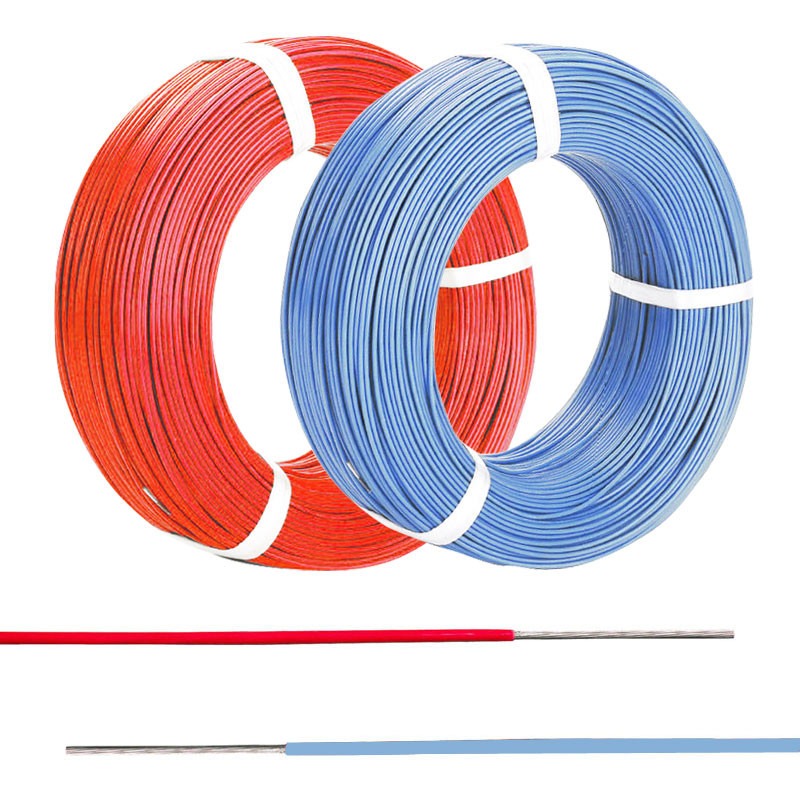

Let’s face it heat is one of the biggest enemies of electrical systems. Whether it’s a blazing factory floor, a roaring furnace, or an industrial oven operating around the clock, regular cables just can’t survive in these harsh environments. That’s exactly where high temperature cables step in like unsung heroes.
What Is a High Temperature Cable?
A high temperature cable is a specially engineered electrical wire designed to operate safely and reliably under extreme heat. Unlike regular wires that start breaking down at 80–105°C, these cables can handle temperatures ranging from 150°C to over 1000°C, depending on materials and design. Think of them as heat-proof armor for your electrical systems.
Why High Temperature Resistance Matters
When ordinary cables face excessive heat, their insulation melts, cracks, or becomes brittle leading to short circuits, power loss, fires, and expensive downtime. High temperature cables prevent all that chaos. They maintain electrical stability even when the heat is relentless, ensuring safety and uninterrupted performance.
How High Temperature Cables Work
At first glance, a cable might seem simple, but inside, it’s a carefully engineered system designed to survive extreme conditions.
Core Electrical Structure
The heart of any cable is its conductor, usually copper or nickel-plated copper. This ensures smooth electrical flow even under continuous heat. High temperature conductors are designed to minimize resistance fluctuations due to heat expansion.
Insulation vs Jacket Key Differences
- Insulation protects the conductor from short circuits.
- Outer jacket shields the cable from mechanical damage, chemicals, oils, and environmental hazards.
In high temperature cables, both layers are made from materials that resist thermal breakdown.
Heat Transfer and Electrical Stability
These cables slow down heat transfer toward the conductor and prevent electrical leakage. This balance keeps voltage stable even in scorching environments kind of like thermal insulation for your electricity.
Types of High Temperature Cables
Different industries demand different heat resistance levels. Here are the most popular types you’ll encounter:
Silicone Rubber Cables
These cables handle temperatures up to 200–250°C. They’re extremely flexible and ideal for dynamic environments like robotics, conveyor systems, and heating appliances.
PTFE (Teflon) High Temperature Cables
PTFE cables can withstand up to 260°C continuously and even higher peaks. They offer outstanding chemical resistance and are commonly used in chemical plants, aerospace, and medical equipment.
Fiberglass Insulated Cables
Designed for 400–500°C, fiberglass cables are often found in furnaces, kilns, and steel plants. They resist flames but require protective coatings for moisture resistance.
Mica Insulated Cables
For extreme temperatures reaching 1000°C, mica-insulated cables dominate. These are used in fire survival circuits, emergency power systems, and heavy industries.
Materials Used in High Temperature Cables
Materials determine everything from heat resistance to flexibility and lifespan.
Conductors
- Bare copper
- Tin-plated copper
- Nickel-coated copper
Nickel conductors are preferred for ultra-high heat environments.
Insulation Materials
- Silicone rubber
- PTFE (Teflon)
- Fiberglass
- Mica tape
- Ceramic compounds
Each insulation type offers a unique balance between heat resistance and flexibility.
Outer Sheathing
Outer jackets protect against:
- Abrasion
- Oil
- Chemicals
- UV radiation
- Mechanical stress
Common sheath materials include fluoropolymers, braided fiberglass, and silicone compounds.
Temperature Ratings Explained
Not all heat resistance is created equal.
Low vs Medium vs Extreme Heat Levels
- 150–200°C: Home appliances and light industrial use
- 250–400°C: Heavy manufacturing equipment
- 500–1000°C: Steel plants, furnaces, emergency systems
Continuous vs Peak Temperature Ratings
- Continuous rating: Safe long-term operating temperature
- Peak rating: Maximum heat the cable can tolerate briefly
Ignoring these limits can shorten cable life drastically.
Industrial Applications of High Temperature Cables
These cables are everywhere high heat exists.
Manufacturing & Automation
Robotic arms, molding machines, and automated systems constantly face heat from motors and friction. High temperature cables keep the power flowing without failure.
Power Plants
From boilers to turbines, thermal power plants depend heavily on heat-resistant wiring to avoid catastrophic breakdowns.
Steel & Foundry Industry
Few environments are harsher than molten metal operations. High temperature cables ensure uninterrupted control and safety circuits.
Plastic & Rubber Processing
Extruders, injection molding machines, and hot runner systems rely on precise temperature control made possible by heat-resistant cables.
High Temperature Cables in Household & Commercial Use
Not everything high-temp is industrial. These cables also quietly power your daily life.
Ovens and Heating Appliances
Electric ovens, geysers, heaters, and stoves require wiring that won’t burn under constant heat exposure.
HVAC Systems
Heating, ventilation, and air-conditioning units push wiring to its thermal limits—especially in commercial buildings.
Lighting and Electrical Panels
High-wattage lighting systems and control panels often rely on heat-resistant wiring to avoid insulation failure.
Advantages of High Temperature Cables
Why not just use regular cables and replace them often? Because that approach costs more in the long run.
Safety
Heat-resistant insulation drastically reduces fire risk, electrical shorts, and system failures.
Longevity
These cables last 2–5 times longer than standard wires in hot environments. Less replacement equals less downtime.
Electrical Stability
They maintain voltage integrity under thermal stress, ensuring consistent machine performance.
Disadvantages & Limitations
No technology is perfect.
Cost Factors
High temperature cables cost more upfront due to premium materials and complex manufacturing.
Installation Challenges
Some high-temp cables, especially fiberglass and mica types, require special handling during installation to avoid damage.
High Temperature Cable vs Regular Cable
Still unsure which one you need? Let’s make it clear.
Performance Comparison
| Feature | Regular Cable | High Temp Cable |
| Max Heat | 80–105°C | 150–1000°C |
| Safety | Moderate | Very High |
| Lifespan in Heat | Short | Long |
| Cost | Low | Medium to High |
Cost vs Value
While high temperature cables cost more initially, they save huge amounts on maintenance, downtime, and fire risk.
How to Select the Right High Temperature Cable
Choosing the wrong cable is like wearing winter clothes in a desert doesn’t end well.
Temperature Range
Know your operating temperature and always select a cable rated 20–30% higher than your maximum heat.
Chemical Resistance
If your environment has oils, acids, or solvents, choose fluoropolymer or silicone jackets.
Flexibility & Mechanical Strength
Dynamic applications require flexible insulation, while static installs can use rigid, high-strength sheathing.
Installation Best Practices
Even the best cable can fail if installed poorly.
Cable Routing Tips
- Avoid sharp bends
- Keep cables away from direct flame exposure
- Use heat shields where necessary
Avoiding Common Installation Mistakes
- Never exceed temperature ratings
- Avoid mixing high-temp with low-temp connectors
- Always use approved clamps and fasteners
Maintenance & Safety Guidelines
Prevention is always cheaper than repair.
Inspection Schedule
Inspect cables every 3–6 months in high-heat zones for:
- Cracks
- Discoloration
- Brittleness
Heat Damage Warning Signs
If insulation turns brittle, darkens, or flakes replace immediately. These are early signs of thermal fatigue.
Compliance & Certifications
Reputable high temperature cables follow strict safety standards.
International Standards
- IEC
- UL
- ISO
- RoHS compliance
Fire Resistance Ratings
Look for flame-retardant and fire-survival certifications, especially in emergency circuits.
Emerging Trends in High Temperature Cable Technology
The industry isn’t standing still.
Smart Heat-Resistant Cables
New cables now include embedded temperature sensors for real-time monitoring.
Energy Efficient Designs
Advanced insulation reduces energy loss and improves overall system efficiency.
Cost Breakdown & Market Overview
Price Influencing Factors
- Raw materials
- Cable thickness
- Temperature rating
- Certification requirements
Global Demand Trends
With rising automation and industrialization, the global high temperature cable market is growing rapidly, especially in Asia and the Middle East.
Conclusion
High temperature cables are not a luxury they’re a necessity in any environment where heat is a constant factor. From industrial furnaces and power plants to ovens and HVAC systems, these cables keep operations safe, efficient, and reliable. Choosing the right type, installing it correctly, and maintaining it regularly can save you from disasters, downtime, and unnecessary expenses. In a world where heat never sleeps, your wiring shouldn’t lose sleep either.
FAQs
- What temperature can a high temperature cable withstand?
Depending on type, they can handle anywhere from 150°C to over 1000°C. - Are high temperature cables flexible?
Yes, especially silicone and PTFE cables which are highly flexible. - Can I use high temperature cable for normal applications?
Yes, but it may be cost-inefficient unless heat resistance is required. - How long do high temperature cables last?
With proper installation, they can last 5–10 years even in harsh environments. - Are these cables fireproof?
Many types are flame-retardant and some are fully fire-survival rated.